
A Quick Audit: How to Prioritize Your Pages for AI Citations
You’ve poured hours into creating a fantastic blog post. It’s insightful, well-researched, and genuinely helpful. You hit publish, and… it just sits there. You know it has the potential to be a go-to resource, but getting it in front of the right people feels like shouting into the wind.
Now, imagine a new kind of "word of mouth" is emerging. Instead of a person recommending your content, it’s an AI like ChatGPT or Google’s AI Overviews. When someone asks a question, the AI pulls from the most reliable sources on the web to construct an answer and—here’s the magic—cites your article as the source.
This isn't a futuristic dream; it's happening right now. Getting cited by AI is quickly becoming a powerful way to establish authority, drive traffic, and become the recognized expert in your field.
But here's the catch: AI doesn’t choose its sources randomly. It’s looking for specific signals of clarity, authority, and structure. The good news? You probably already have pages on your site that are 90% of the way there. You just need to find them.
This guide provides a simple, 15-minute audit to help you identify those hidden gems—the pages with the highest potential for AI citation—so you know exactly where to focus your efforts for the biggest impact.
What Are AI Citations (and Why Should You Care?)
Let’s get on the same page. An AI citation is when a large language model (LLM) like ChatGPT, Perplexity, or Google's AI Overviews references your webpage as a source for the information in its generated answer. It’s the digital equivalent of a footnote in a research paper, giving credit where it's due and pointing users to your content for more detail.
You might be thinking, "Isn't that just like a backlink?" Not quite.
Research from industry leaders like Yoast helps clarify the distinction:
- Backlinks are primarily a signal of domain authority to search engines. Another site is vouching for your overall credibility.
- AI Citations are about providing direct, citable answers. The AI is vouching for a specific piece of information on your page because it's clear, accurate, and well-structured.
Winning AI citations means your brand shows up directly within the answers people are seeking, establishing you as a foundational source of knowledge in your space.
The Big Challenge: AI Doesn't Think Like a Human
Before we dive into the audit, it’s crucial to understand one thing: AI models are powerful, but they aren’t perfect. As groundbreaking investigative work from the Columbia Journalism Review has shown, AIs can "hallucinate" (invent facts) or misattribute information, citing the wrong source or one that doesn't even exist.
This creates a fascinating challenge and an opportunity.
Our goal isn’t just to be citable; it’s to structure our content to be so clear and authoritative that it’s reliably and accurately citable. We want to make our content "AI-proof" by making it the easiest, most logical, and most trustworthy source for an AI to pull from. By doing this, we not only increase our chances of being cited but also help the AI be more accurate.
Finding Your Hidden Gems: The 15-Minute Citation Potential Audit
Instead of feeling overwhelmed by the idea of optimizing your entire website, let's start by finding the "low-hanging fruit." This quick audit uses a simple scoring system to grade your existing pages on three core pillars of AI citability: Clarity, Authority, and Structure.
Grab a few of your most important blog posts or service pages, and let’s get started.
The AI Citation Potential Checklist
For each page you audit, rate it on a scale of 1 (Needs significant work) to 5 (Excellent) for the following three categories. Be honest—this is about finding opportunities, not getting a perfect score.
1. Clarity of the Answer (Score 1-5)
AI models are looking for direct answers to specific questions. They scan for content that is unambiguous and gets straight to the point.
- 1 Point: The page is vague and doesn't answer a clear question. It’s mostly opinion or high-level theory.
- 3 Points: The answer is in there somewhere, but it's buried in long paragraphs. A reader (or an AI) has to work to find it.
- 5 Points: The page immediately answers a specific question. It likely includes a "bottom-line up front" summary, clear definitions, or a concise introductory paragraph that lays out the core answer.
2. Authority Signals (Score 1-5)
An AI needs to trust your content. It looks for signals that the information is credible, well-researched, and written by an expert.
- 1 Point: The content is anonymous, with no author bio, sources, or links to supporting data.
- 3 Points: The author is named, and there are some external links, but credentials aren't clear, and the sourcing is sparse.
- 5 Points: The page has a clear author with a bio showcasing their expertise, contains links to original research or data (internal or external), and demonstrates strong principles of E-E-A-T (Experience, Expertise, Authoritativeness, and Trustworthiness). This is fundamental to make your brand an AI trusted entity.
3. Machine-Friendly Structure (Score 1-5)
A well-structured page is easy for an AI to parse and "quote." Clear formatting acts like a signpost, telling the AI exactly what each piece of content is about.
- 1 Point: It’s a "wall of text." There are no headings, lists, or other formatting to break up the content.
- 3 Points: The page uses some H2 headings, but the structure could be clearer. It might have long, dense paragraphs without lists.
- 5 Points: The content is perfectly structured. It uses a clear hierarchy of headings (H2s, H3s), leverages bulleted or numbered lists for processes or key points, and might even use tables or structured data (like FAQ Schema) to organize information.
How to Score Your Pages
Once you've rated a page across all three categories, add up the points.
- Total Score 12-15: High Potential. These are your hidden gems! They are already close to being citable and should be your top priority for optimization.
- Total Score 8-11: Medium Potential. These pages have a solid foundation but need some focused work in one or two areas to become highly citable.
- Total Score below 7: Low Potential. These pages would require a major overhaul. Unless the topic is critical to your business, it's best to place these on the back burner for now.
Repeat this for 3-5 of your key pages to get a clear picture of where your best opportunities lie.
You Have Your Scores. Now What? The Effort vs. Impact Matrix
A high score is great, but it doesn't automatically tell you where to start. To make a smart decision, you need to weigh the potential impact against the effort required to optimize the page.
That’s where a simple Effort vs. Impact matrix comes in.
Plot your high-scoring pages on this matrix:
- Quick Wins (High Impact, Low Effort): These are your #1 priority. It’s a page with a score of 12+ that only needs minor tweaks, like adding a summary paragraph, reformatting key points into a bulleted list, or adding an author bio.
- Major Projects (High Impact, High Effort): These are important pages (high score, core topic) that need more substantial updates, like adding new data from a recent study or rewriting sections for clarity. Schedule these after your quick wins.
- Fill-in-Gaps (Low Impact, Low Effort): These are pages that are easy to fix but might not be on a core topic. Tackle these when you have a spare hour.
- Re-evaluate Later (Low Impact, High Effort): These are low-scoring pages that would require a complete rewrite. For now, leave them be and focus your energy where it counts.
Your Path Forward
Congratulations! You’ve moved from a vague goal of "ranking better" to a clear, prioritized list of actions. This quick audit gives you a strategic starting point, ensuring every minute you spend on content optimization is invested in the pages most likely to deliver results in the new landscape of AI-driven search.
Now that you've identified which pages to focus on, the next logical step is learning the specific techniques to push them over the finish line. When you're ready to dive deeper, our complete playbook will show you exactly how to get your content cited by ChatGPT.
Frequently Asked Questions (FAQ)
What is an AI citation?
An AI citation is when an AI model, like ChatGPT or Google's AI Overviews, references your webpage as a source for the information in its generated answer, often with a direct link.
How are AI citations different from SEO backlinks?
Backlinks are primarily about a site's overall authority and credibility. AI citations are more specific; they signal that your page provides a clear, direct, and trustworthy answer to a particular question.
Do I need special tools for this audit?
Not at all! The power of this quick audit is its simplicity. All you need is your own strategic eye and about 15 minutes per page to assess your content against the checklist.
How often should I do this audit?
A good practice is to audit your key pages quarterly. It's also wise to run a quick audit on any major new content you publish to ensure it’s built for AI citation from day one.

Roald
Founder Fonzy — Obsessed with scaling organic traffic. Writing about the intersection of SEO, AI, and product growth.
Stop writing content.
Start growing traffic.
You just read about the strategy. Now let Fonzy execute it for you. Get 30 SEO-optimized articles published to your site in the next 10 minutes.
No credit card required for demo. Cancel anytime.
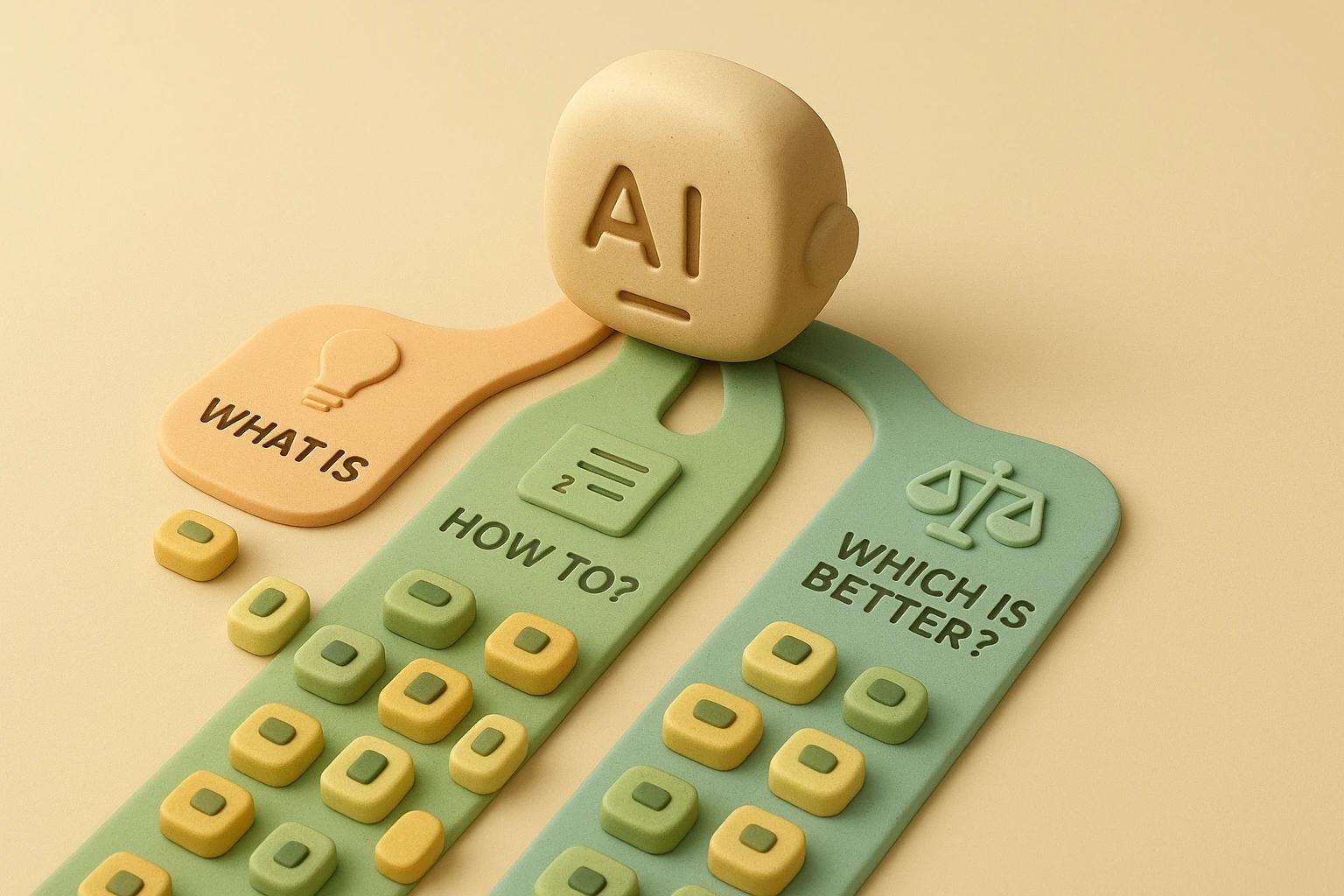
Understanding AI Question Types and Their Answers
Learn how AI categorizes factual procedural and comparative questions to deliver better answers.
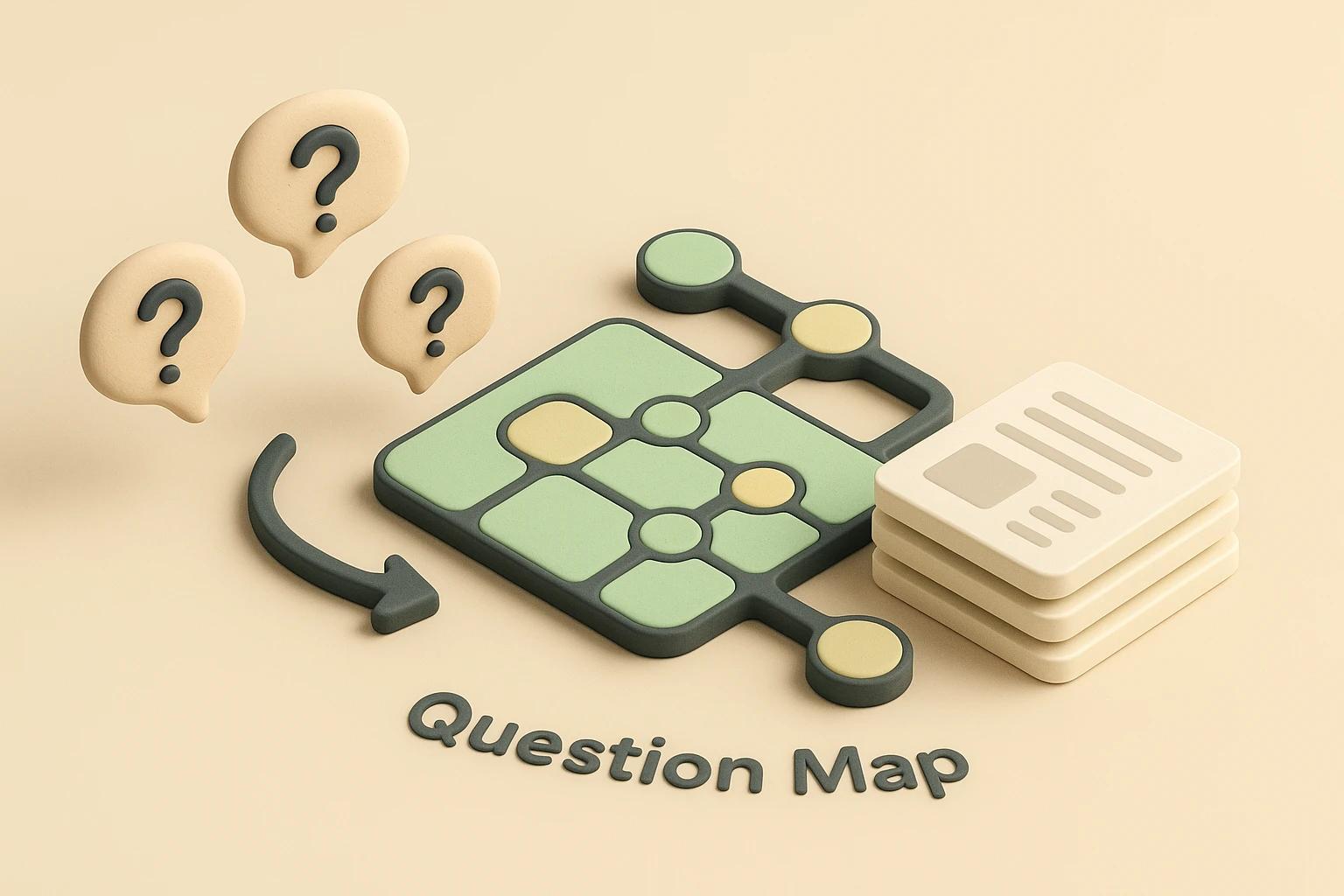
Question Maps for Creating Answer-Rich Content Plans
Learn how to turn real customer questions into a clear content plan that builds trust and drives traffic with focused answers.
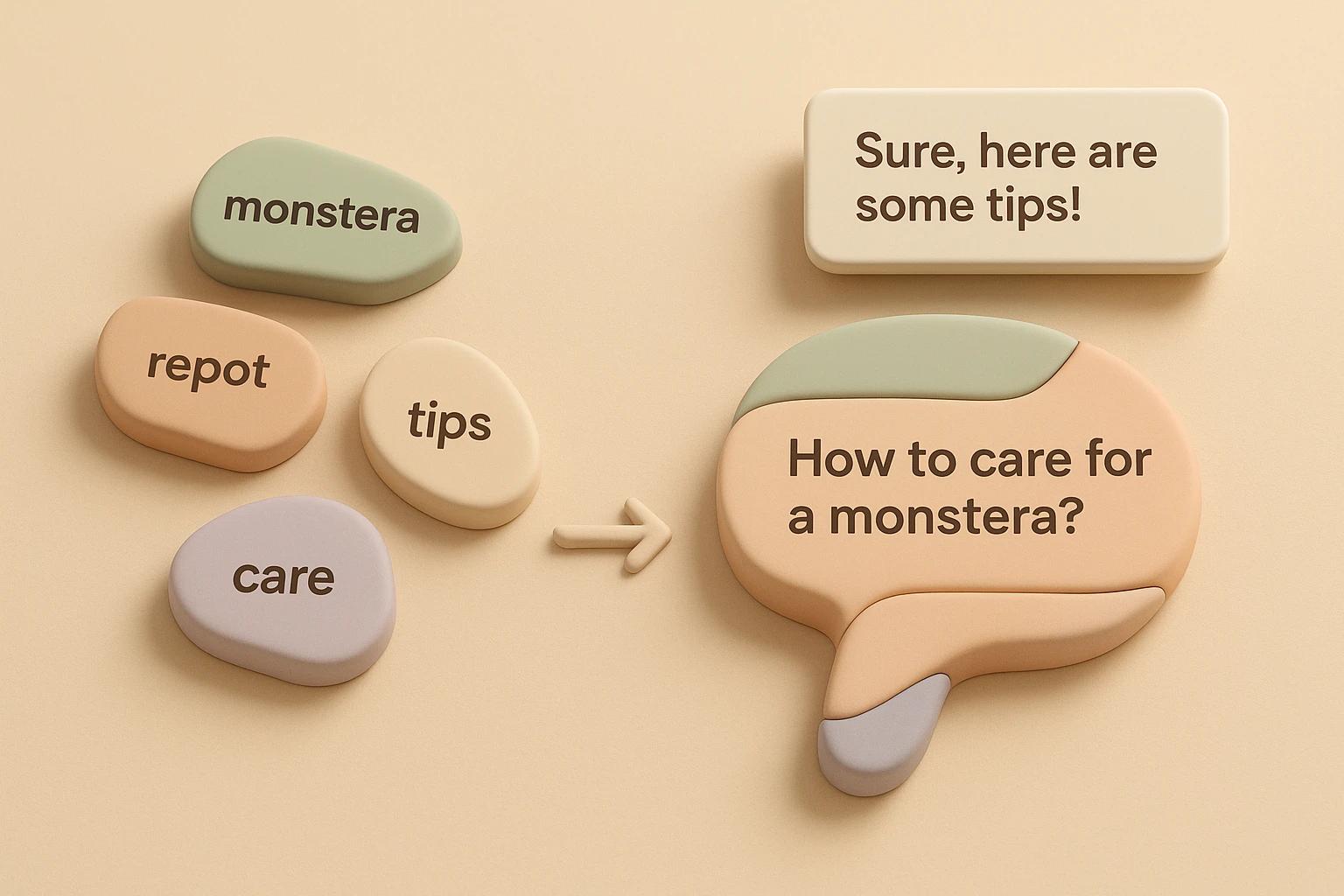
How Conversational Queries Change Long-Tail Keyword Value
Explore how conversational queries evolve long-tail keywords and what it means for your content strategy.