5 Signs Your Content Misses AI Answer Engines

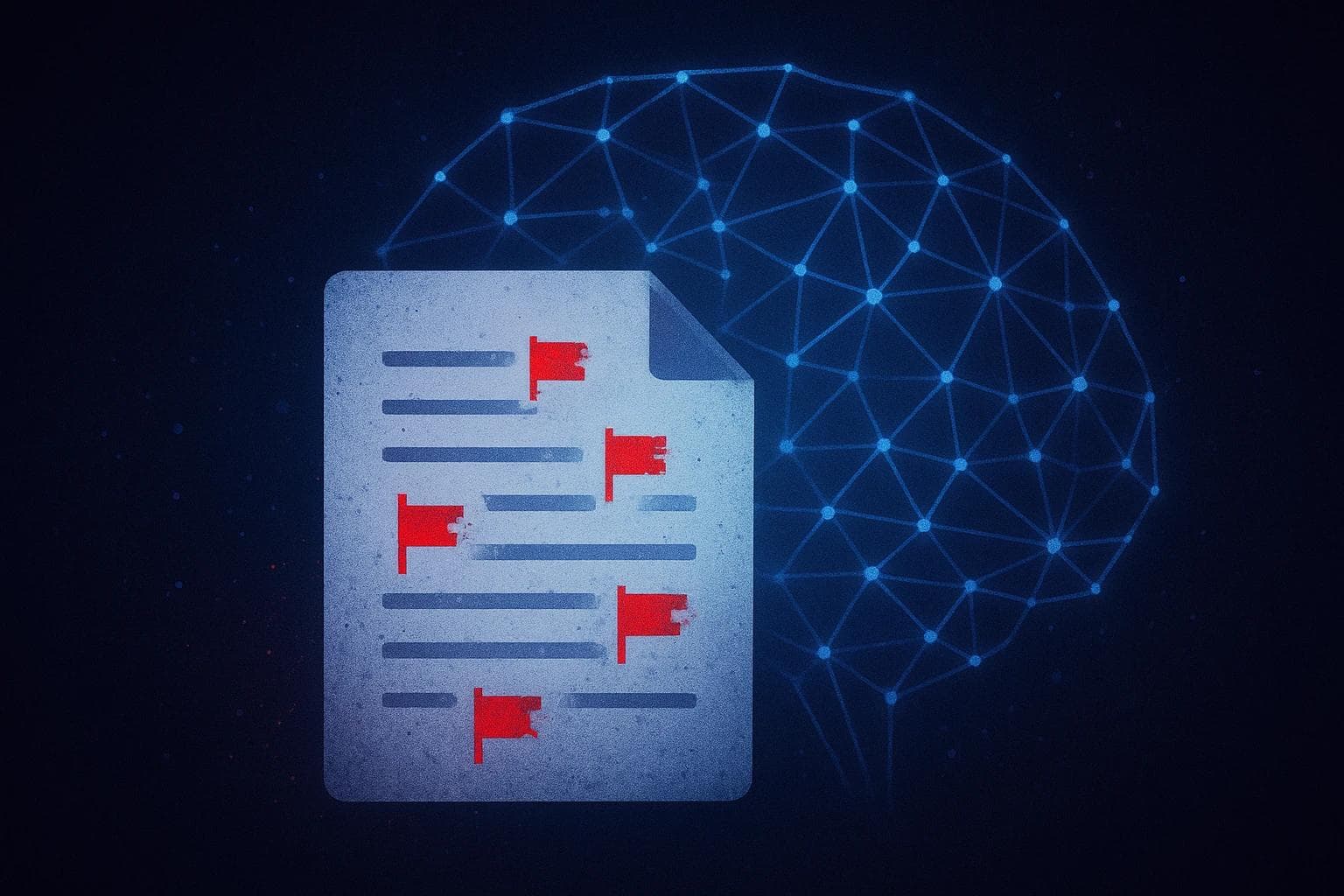
5 Early Warning Signs Your Content Is Invisible to AI Answer Engines
You’ve done everything right. You’ve researched keywords, crafted compelling articles, and watched your organic traffic climb. Your Google rankings are solid. Yet, a new, unsettling silence has fallen over your brand's visibility. When you ask questions related to your expertise in new AI-powered search tools, your brand is nowhere to be found. No citations, no mentions, nothing.
It’s a frustrating scenario many businesses are now facing. While your content is performing well in the traditional ten blue links, it’s effectively invisible to the AI answer engines that are reshaping how we find information. This isn't just about missing out on a new trend; it's about a fundamental shift in digital discovery.
If this feels familiar, you’re not alone. The rules are changing, and the signs of being left behind are subtle. Let's pour a virtual coffee and walk through the five quiet red flags that indicate your content strategy isn't ready for the age of AI answers.
First, What Exactly Is an AI Answer Engine?
Think of a traditional search engine like a librarian who points you to the right aisle and shelf. An AI answer engine, like Google’s AI Overviews or Perplexity, is like a librarian who reads several books on the shelf, synthesizes the best information, and gives you a direct, summarized answer, telling you which books the information came from.
These engines don't just rank links; they consume, understand, and repackage content. For your content to be included, it needs to be more than just relevant—it needs to be digestible, authoritative, and structured for a machine. This new field is often called Generative Engine Optimization (GEO) or Answer Engine Optimization (AEO).
The goal is no longer just to rank, but to be cited. That citation is the new click, the new measure of visibility. If you're not getting cited, you're becoming invisible.
The 5 Quiet Red Flags of AI Invisibility
Here are the early warning signs that your content isn't connecting with AI, and what they mean.
Sign #1: High Organic Traffic, Zero AI Citations
What It Looks Like: Your analytics are encouraging. You rank on page one for several important keywords, and traffic from traditional search is steady or even growing. However, when you test those same queries in AI search tools or look at Google’s AI Overviews, your website is never listed as a source. It's like being the most popular book in the library that the librarian never recommends.
Why It's a Red Flag (From the AI's Perspective): This often signals a structural or clarity issue. Your content might be great for a human who can read between the lines, but the AI can't find a clean, "citable" snippet. It's looking for a direct answer to a specific question, and your content might be too narrative, buried in a long paragraph, or lacking a clear, declarative statement. The AI sees your article as a conversation, but it needs a concise quote.
Quick Diagnostic: Take one of your top-performing articles and ask an AI chatbot (like ChatGPT or Claude) to answer a question that your article is designed to address. Explicitly ask it to use only your article as a source. If it struggles or gives a generic answer, you have a clarity problem.
Sign #2: Your Competitors Are Cited, but You Aren't
What It Looks Like: You search for a core topic in your industry, and the AI-generated answer consistently quotes or links to your main competitors. You know your content is just as good—maybe even better—but the AI engine seems to have picked its favorites, and you're not one of them.
Why It's a Red Flag: This is often an authority problem. AI engines are designed to minimize risk and provide trustworthy information. They heavily rely on signals of E-E-A-T (Experience, Expertise, Authoritativeness, and Trustworthiness). Your competitor might have clearer author bios, more links from other authoritative sites, or structured data (like schema markup) that explicitly tells the AI, "This content was written by a certified expert." Your expertise might be implicit, but for an AI, it needs to be explicit. The goal is to make it easy for a machine to verify your credentials.
Quick Diagnostic: Compare your author pages and "About Us" page to those of the competitors who are being cited. Do they list credentials, publications, and experience more clearly than you do? Does their content link out to reputable studies or sources?
Sign #3: AI Pulls Inaccurate or Out-of-Context Snippets from Your Site
What It Looks Like: You finally get a citation! But it’s… weird. The AI has pulled a sentence from the middle of a paragraph or combined two unrelated ideas, misrepresenting your point entirely. It's a frustrating, "close-but-not-quite" moment that can actually harm your brand's credibility.
Why It's a Red Flag: This points to a semantic structure issue. Your content lacks clear, self-contained blocks of information. If your key points are spread across multiple sentences that rely on each other for context, an AI can easily get confused. It's looking for Lego bricks—stand-alone pieces of information—but your article is a clay sculpture that falls apart if you try to take one piece. Content that is well-structured for AI is built with these independent "bricks" of thought.
Quick Diagnostic: Read through your article and look for key definitions or answers. Could a single sentence or a short, two-sentence paragraph be lifted out and still make perfect sense on its own? If not, your content is too dependent on context for an AI to parse correctly. This is a core challenge that an automated platform like Fonzy AI is designed to address by structuring content for machine readability from the start.
Sign #4: Only Your FAQ Pages Get Cited
What It Looks Like: You notice that the only time your site ever appears in AI answers is when the AI pulls directly from a dedicated FAQ page. Your in-depth blog posts, case studies, and guides are completely ignored.
Why It's a Red Flag: This is actually a valuable clue! It tells you that the AI can read and trust your site, but it strongly prefers content formatted in a simple question-and-answer format. The rigid structure of an FAQ page (a clear question followed by a direct answer) is ideal for an AI. Your long-form content, while valuable to humans, lacks this "prompt-friendly" formatting, making it hard work for the AI to extract a clear answer.
Quick Diagnostic: Review your highest-traffic blog post. Can you reformat the key sections using the subheadings as questions and the first paragraph as a direct answer? This simple shift can make your content dramatically more accessible to AI.
Sign #5: A Drop in "Position Zero" and Featured Snippet Rankings
What It Looks Like: You used to own the featured snippets and "People Also Ask" boxes for your top keywords. Over the last few months, you've seen your visibility in these areas decline, even if your core ranking hasn't changed much.
Why It's a Red Flag: Featured snippets were the precursor to AI-generated answers. They represent Google's attempt to provide direct answers on the results page. A decline here is a major canary in the coal mine. It indicates that Google's algorithms no longer see your content as the clearest, most authoritative, or best-structured answer available. And if you’re losing the battle for featured snippets, you've already lost the battle for the more complex AI Overviews that are replacing them. The foundational elements that help a platform like Fonzy AI generate optimized content are the same ones needed to win these coveted spots.
Quick Diagnostic: Go to Google Search Console. Look at your performance for queries where you used to rank in position zero. Have clicks and impressions for those specific queries dropped off? This is a clear data point that your content's "answer quality" is being downgraded.
From Diagnosis to Action: How to Become AI-Visible
Recognizing these signs is the first step. The solution isn't to abandon your content strategy, but to enhance it with an AI-first mindset. This means focusing on:
- Clarity and Directness: Answer questions directly and upfront. Use an "inverted pyramid" style, where the most important information comes first, followed by supporting details.
- Explicit Authority (E-E-A-T): Don't just be an expert; signal it clearly. Improve author bios, showcase credentials, and build a robust "About Us" page.
- Structured Formatting: Break content into logical, scannable sections. Use headings, subheadings, bullet points, and Q&A formats. Implement structured data like FAQ and "HowTo" schema.
- Semantic Richness: Write for concepts, not just keywords. Naturally include related terms and answer follow-up questions within your content to show a comprehensive understanding of the topic.
Creating content that satisfies both curious humans and hungry AI algorithms requires a consistent, structured approach. While manual adjustments are a good starting point, maintaining this level of optimization at scale can be daunting. This is precisely the challenge that automated systems are built to solve, ensuring every article is primed for visibility in this new era of search. For those looking to streamline this, the technology behind Fonzy AI automates this entire process.

Frequently Asked Questions (FAQ)
### What is an AI answer engine?
An AI answer engine (also part of Generative Engine Optimization or GEO) is a search tool that uses artificial intelligence to provide a direct, synthesized answer to a user's query, rather than just a list of links. It reads and understands content from multiple sources and compiles a summary, citing the websites it used.
### Why isn't my content showing up in AI answers?
It could be due to several reasons, including a lack of clear, direct answers in your text, poor content structure that's hard for a machine to parse, or insufficient signals of expertise and authority (E-E-A-T). The warning signs above can help you diagnose the specific issue.
### Is traditional SEO dead?
No, but it is evolving. The foundational principles of SEO—creating high-quality, relevant content—are more important than ever. However, we now need to add a new layer of optimization focused on machine readability, clarity, and explicit authority to be visible in AI answer engines. Succeeding with a modern strategy often requires a tool like Fonzy AI.
### How can I track my visibility in AI answers?
Currently, direct tracking is difficult as dedicated analytics tools are still emerging. The best methods for now are manual: regularly search for your core keywords in AI-powered search engines (like Perplexity) and Google (to check for AI Overviews) and document when and where your site is cited.
The Future is Cited
The shift from a list of links to a direct answer is here to stay. Your audience is already using these tools to find information faster and more efficiently. Ignoring this new landscape means risking digital invisibility, no matter how strong your current traffic looks.
By learning to spot these early warning signs, you can begin to adapt your strategy, transforming your content from being merely "findable" by search engines to being "citable" by AI. This is the new benchmark for authority and the key to future-proofing your brand's growth. The complexity of staying ahead highlights the value of automated content solutions like Fonzy AI, which builds for the future of search.
Ready to take the next step? Begin by auditing one of your best-performing articles against the five signs above. The insights you gain will be the first move in ensuring your voice is heard, quoted, and trusted in the new age of AI-driven discovery. Exploring how a platform such as Fonzy AI handles this automatically can provide a clear roadmap for your strategy.
Roald
Founder Fonzy — Obsessed with scaling organic traffic. Writing about the intersection of SEO, AI, and product growth.
Stop writing content.
Start growing traffic.
You just read about the strategy. Now let Fonzy execute it for you. Get 30 SEO-optimized articles published to your site in the next 10 minutes.
No credit card required for demo. Cancel anytime.
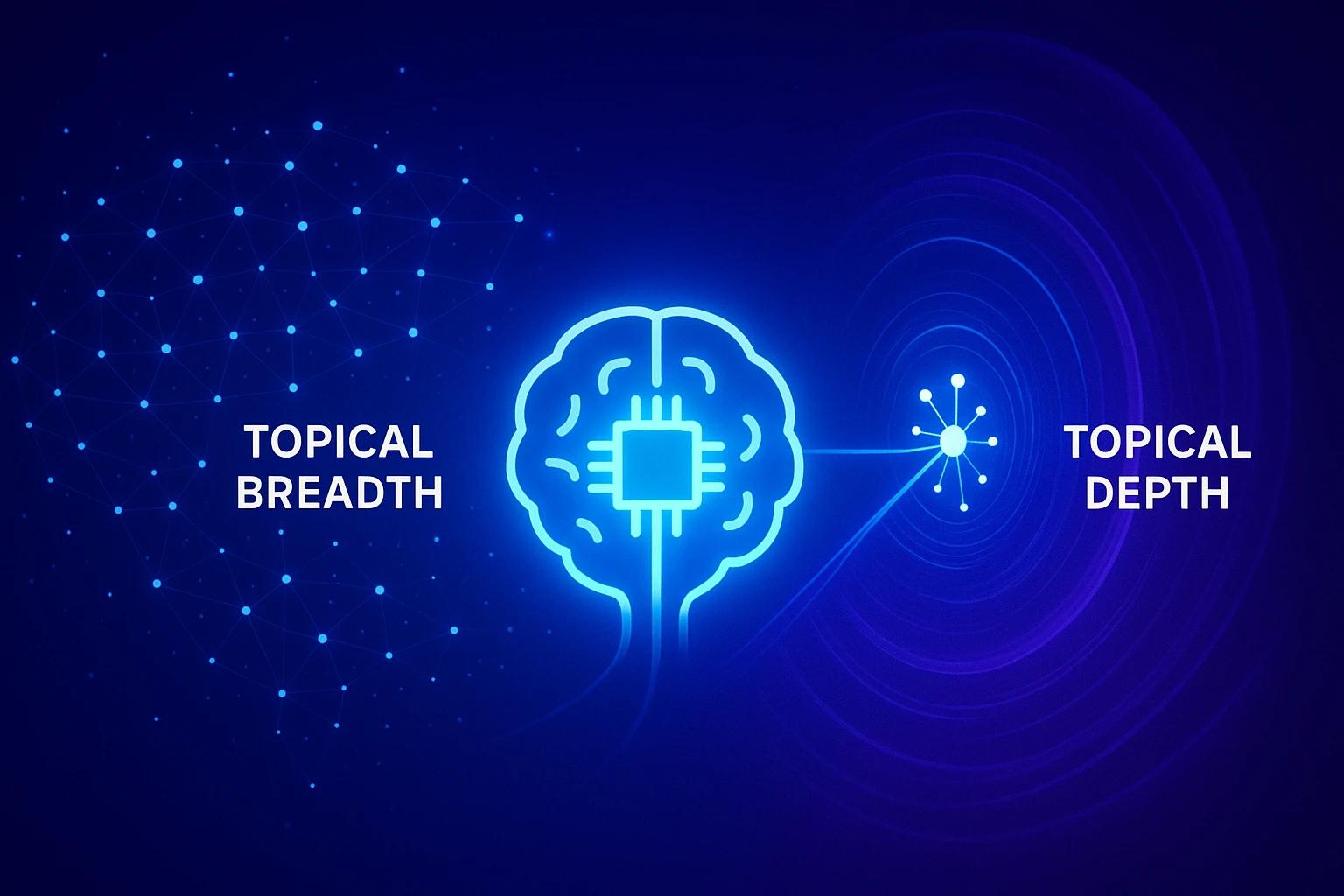
Topical Breadth vs Depth How Coverage Influences AI Answers
Learn how balancing topical breadth and depth helps your content get cited by AI answer tools and build authority.
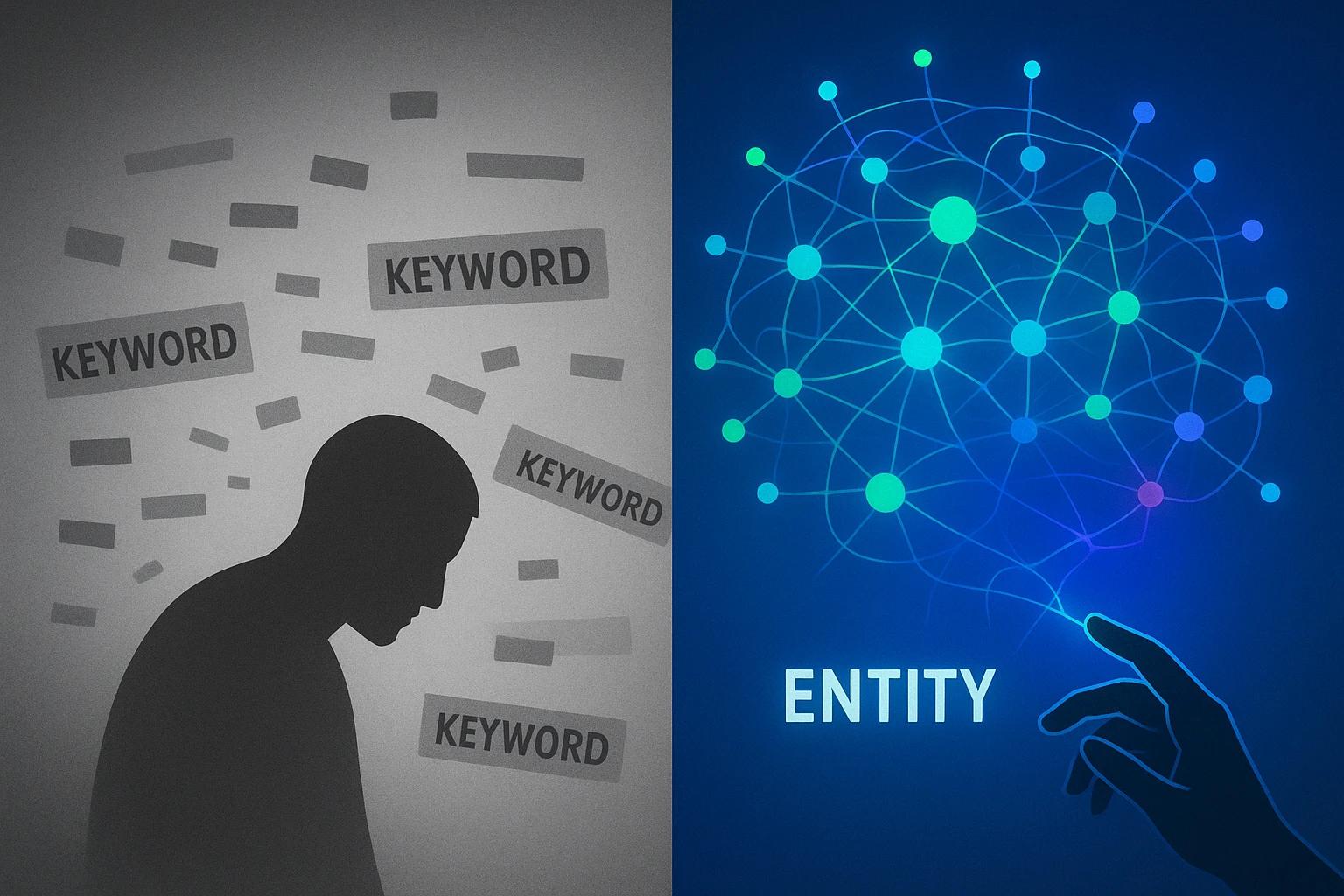
Building topical authority that AI and search engines trust
Learn how to shift from keywords to entities and build the expertise AI and search engines recognize and trust.
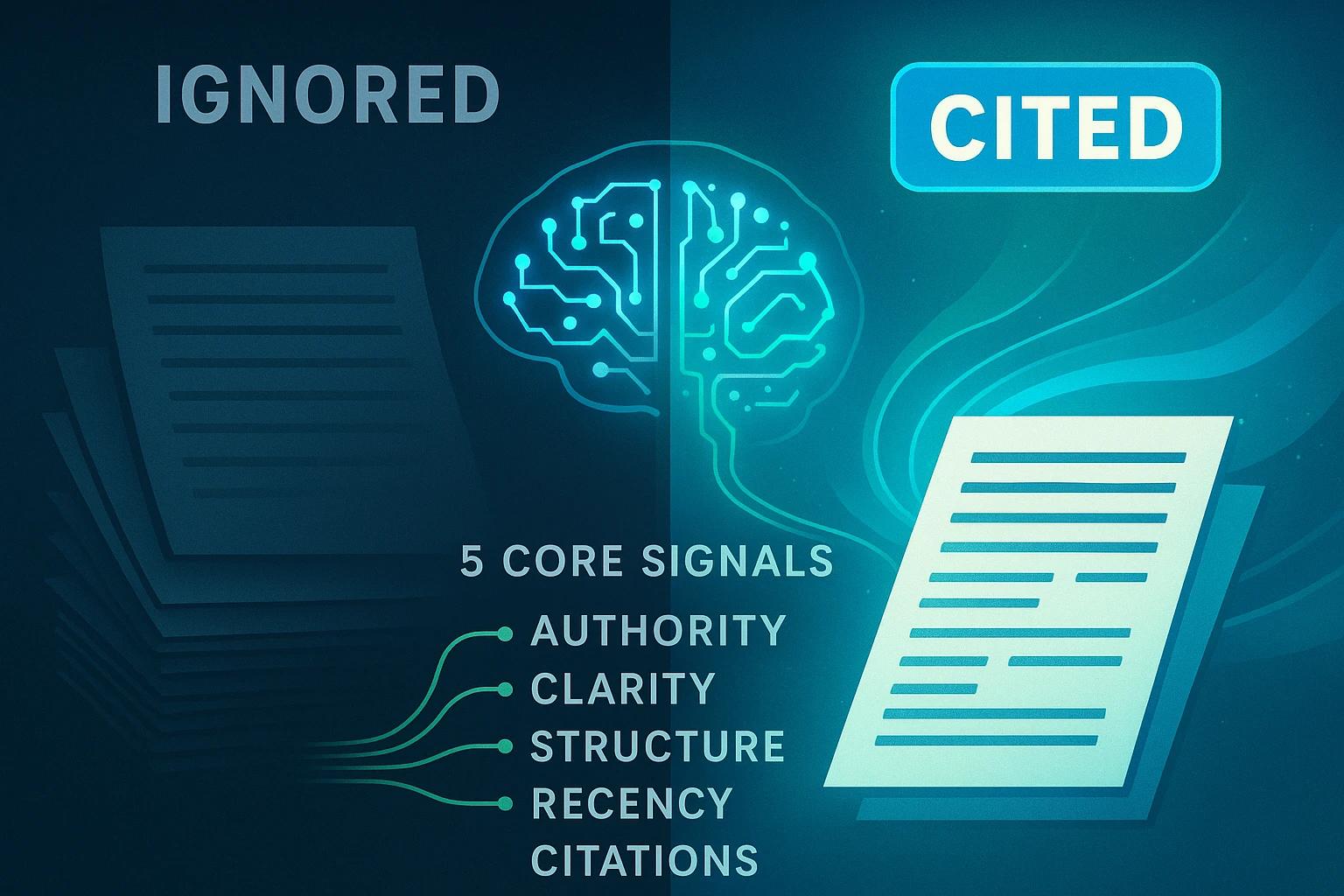
How AI Answer Engines Choose What to Cite
Discover the key signals and heuristics AI uses to decide which sources to cite in their answers.