Building topical authority that AI and search engines trust

From Keywords to Conversations: Building Topical Authority for the AI Search Era
Have you noticed it yet? You type a question into Google, and instead of a list of blue links, you get a direct, conversational answer right at the top. This is the new face of search, powered by AI, and it’s changing the rules for everyone.
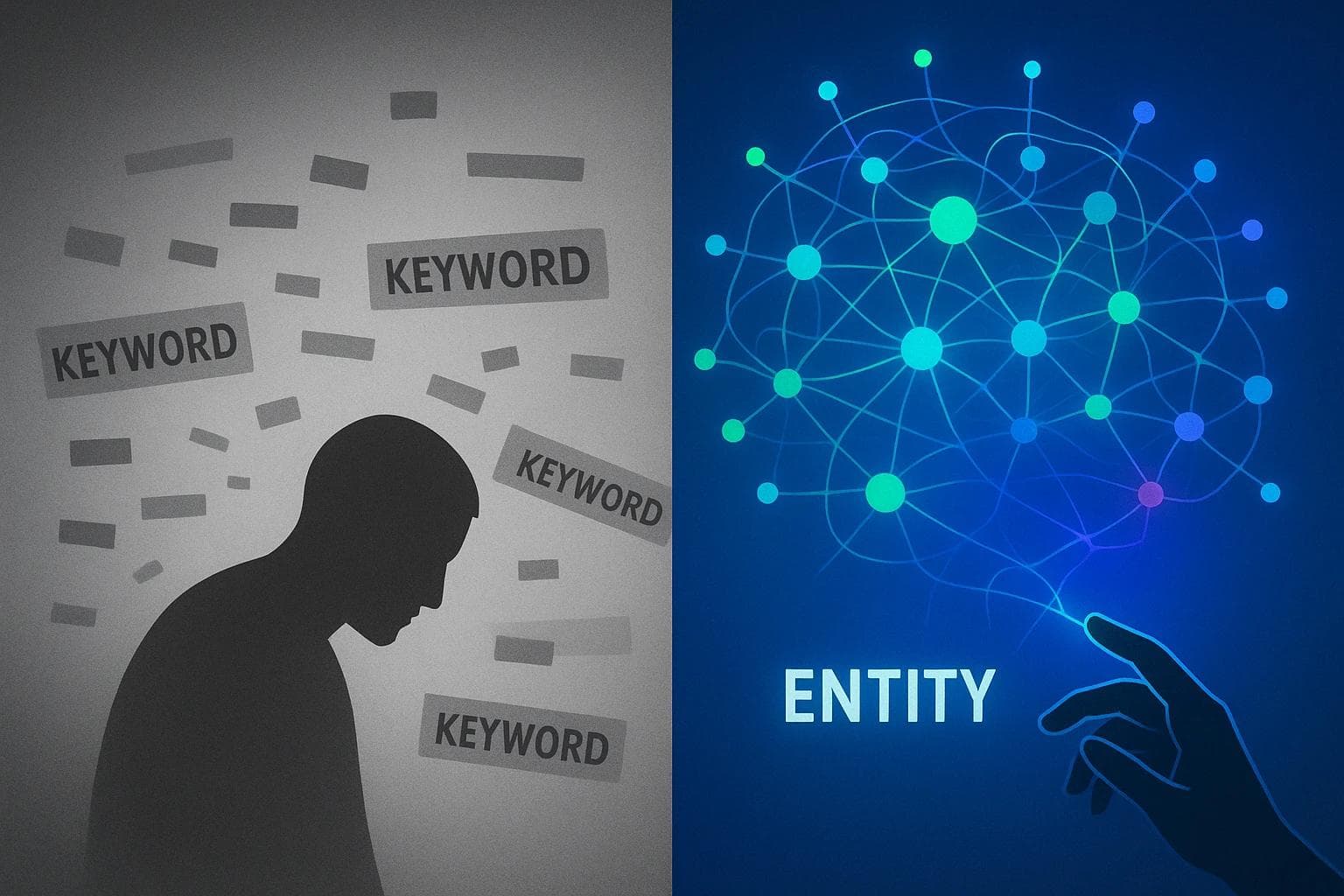
For years, the game was about keywords. Find the right ones, sprinkle them into your content, and hope for the best. But that playbook is officially outdated. If you're still just chasing keywords, you’re trying to win today’s game with yesterday’s strategy. The real question now is: How do you get your business, your expertise, and your voice into that AI-generated answer box?
The answer isn’t about tricking an algorithm. It’s about becoming a trusted source of knowledge so profound that AI and search engines have no choice but to listen. It’s about moving from keywords to entities and building true topical authority.
The Big Shift: Why Your SEO Playbook Needs a Rewrite
To understand where search is going, we need to grasp two foundational concepts that are reshaping the digital landscape: entities and topical authority. They represent the shift from focusing on strings of text to understanding things in the real world.
First, What Exactly is an Entity?
Think of a keyword as a single word or phrase, like "Eiffel Tower." An entity, on the other hand, is the actual concept behind that word. It's the physical structure in Paris, France. It has attributes (height: 330 meters, material: wrought iron, architect: Gustave Eiffel) and is connected to other entities (Paris, France, World's Fairs).
Search engines no longer just match the letters in "Eiffel Tower." They understand the thing itself. This is why a search for "tallest structure in Paris" can give you information about the Eiffel Tower, even if you never used its name. Google understands the connection.
This is the core of entity-based content modeling. It's about creating content that covers not just a keyword, but the entire universe of concepts and relationships connected to your topic.

What is Topical Authority (and Why It’s Not Domain Authority)?
If entities are the building blocks, topical authority is the entire structure you build with them. It’s your website's recognized expertise and trustworthiness on a specific subject.
- Domain Authority is a third-party metric that predicts how likely a website is to rank, often based on its backlink profile. It's a broad, site-wide score.
- Topical Authority is earned, not scored. It’s about the depth and breadth of your content on a particular topic. A brand-new website with zero backlinks can start building topical authority on "sustainable cat toys" by comprehensively covering every facet of that niche.
AI models and search engines grant topical authority to sites that prove they are a reliable, one-stop resource for a subject. When you have it, you're not just a result; you're a reference.
How AI Actually Understands Your Content
It’s easy to imagine Google as a giant filing cabinet, with web pages sorted by keywords. The reality is far more sophisticated. Modern search engines, especially those powering AI answers, behave more like a research assistant who has read every book in the library and understands how all the concepts connect.
This is made possible by a field of AI called Natural Language Processing (NLP). In simple terms, NLP allows machines to read, understand context, and interpret the relationships within human language.
Here’s a simplified look at how it works:
- Context is Everything: AI doesn't just see the word "Java." It looks at the surrounding text to determine if you’re talking about the coffee, the programming language, or the island in Indonesia.
- Entity Detection: It identifies the key entities (people, places, concepts) in your content and connects them to its vast internal database, known as a Knowledge Graph.
- Building Relationships: It then maps the relationships between these entities. It understands that "drip coffee" and "espresso" are types of "coffee," and that "Starbucks" is a company that sells "coffee."
By creating content that is rich with clearly defined entities and their relationships, you are essentially feeding the AI a structured, easy-to-digest meal of information. This makes it incredibly easy for the AI to understand your expertise and use your content to formulate its answers.

The Blueprint for Building Trust with AI
So, how do you move from theory to practice? Building topical authority isn't a one-time trick; it's a strategic approach to content creation. Here’s a four-step blueprint to get you started.
1. Model Your Content Around Topic Clusters
Stop thinking in terms of single articles. Start thinking in topic clusters. A topic cluster consists of:
- A Pillar Page: A comprehensive, long-form guide that covers your core topic broadly. For a financial advisor, this might be "The Ultimate Guide to Retirement Planning."
- Cluster Content: A series of shorter, more specific articles that explore sub-topics related to the pillar. These would be articles like "Understanding 401(k) Matching," "Roth vs. Traditional IRAs," and "How to Create a Retirement Budget."
This model organizes your content logically, making it easy for both users and search engines to navigate your expertise.
2. Weave a Web of Smart Internal Links
Internal links are the threads that connect your content, turning individual pages into a cohesive knowledge hub. A good internal linking strategy does more than help users find related articles; it acts as a semantic map for AI.
When you link from your "Roth vs. Traditional IRAs" article back to your "Ultimate Guide to Retirement Planning" pillar page, you’re sending a powerful signal: "Hey AI, these two concepts are directly related. This detailed article supports my main guide." This reinforces the relationships between your entities and strengthens your topical authority.
3. Demonstrate E-E-A-T in Every Piece
E-E-A-T stands for Experience, Expertise, Authoritativeness, and Trustworthiness. It’s Google’s framework for evaluating content quality, and it’s even more critical for AI. Generative AI models are designed to pull from sources they deem credible to avoid spreading misinformation.
Show your E-E-A-T by:
- Citing data and linking to original sources.
- Featuring clear author bios that showcase their credentials.
- Writing with a clear, confident, and helpful tone.
- Including unique insights from your own experience.
4. Optimize for Generative Engines (GEO)
As you build this structured, authoritative content base, you're naturally preparing your site for Generative Engine Optimization (GEO). This is the practice of making your content not just discoverable by search engines, but easily citable by AI models.
A deep, interconnected, and entity-rich content library is the foundation of GEO. It makes your website "AI-citation-ready," increasing the likelihood that your expertise will be featured directly in AI-powered search answers. Executing this strategy at scale requires a significant investment of time and resources, which is why businesses are turning to automated content solutions. For instance, the system used by Fonzy AI is designed to build these topic clusters automatically.

FAQ: Your First Steps into Entity-Based SEO
Feeling a little overwhelmed? That's perfectly normal. This is a big shift, but getting started is easier than you think. Here are answers to a few common questions.
What is an entity in SEO?
An entity is a distinct and well-defined thing or concept—like a person, organization, product, or idea—that search engines can understand. Instead of just seeing the word "Apple," Google knows whether you're talking about the fruit or the tech company based on context.
What's the real difference between a keyword and an entity?
A keyword is a string of text a user types into a search bar. An entity is the real-world concept that keyword represents. SEO is moving from optimizing for the text to creating comprehensive content about the concept.
What is topical authority again?
It's the recognized expertise and trust your website has earned on a specific topic. You build it by creating a deep and interconnected library of high-quality content that thoroughly covers a subject from multiple angles.
How can I start building topical authority today?
Pick one core service or product you offer. Brainstorm every possible question a customer might have about it. That's your starting point for your first topic cluster. Write a comprehensive pillar page for the main topic and create smaller articles answering each specific question. Then, link them all together.
The Future is About Authority, Not Just Ranking
The digital world is moving past simple lists of links. Users want direct answers, and AI is here to provide them. Your goal is no longer just to rank #1 but to become the trusted source behind the answer.
By shifting your focus from chasing keywords to building genuine topical authority, you're not just playing the new game of SEO—you're positioning yourself to win it. You're creating a durable asset of expertise that will serve your business long after the next algorithm update. As you begin this journey, remember that consistency and structure are key. Embracing an automated approach, like the one offered by the Fonzy AI platform, can transform this complex process into a streamlined engine for organic growth.
Roald
Founder Fonzy — Obsessed with scaling organic traffic. Writing about the intersection of SEO, AI, and product growth.
Stop writing content.
Start growing traffic.
You just read about the strategy. Now let Fonzy execute it for you. Get 30 SEO-optimized articles published to your site in the next 10 minutes.
No credit card required for demo. Cancel anytime.
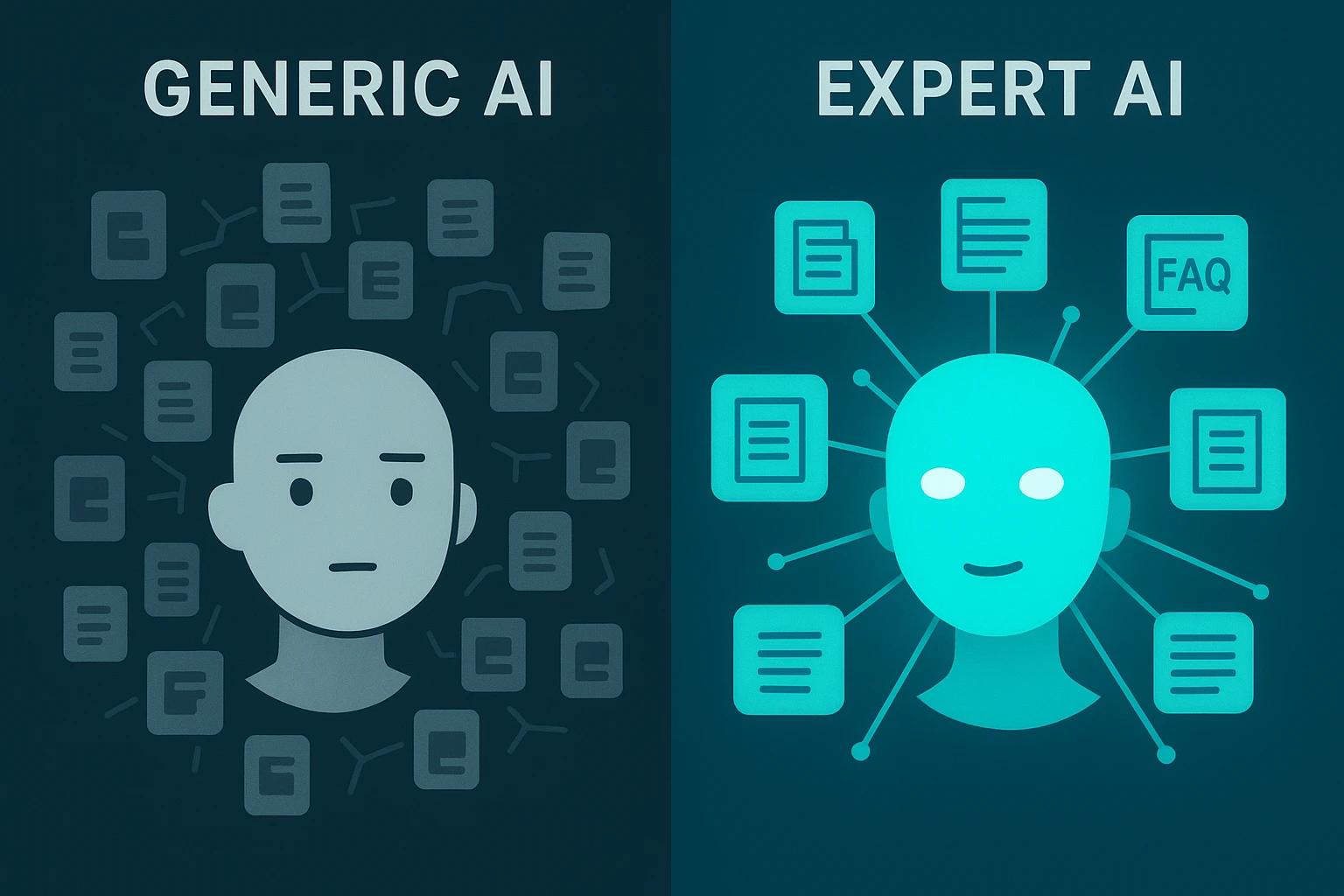
How Repetition Helps AI Learn and Reinforce Your Expertise
Learn why strategic repeated content helps AI understand and trust your unique expertise without hurting SEO.
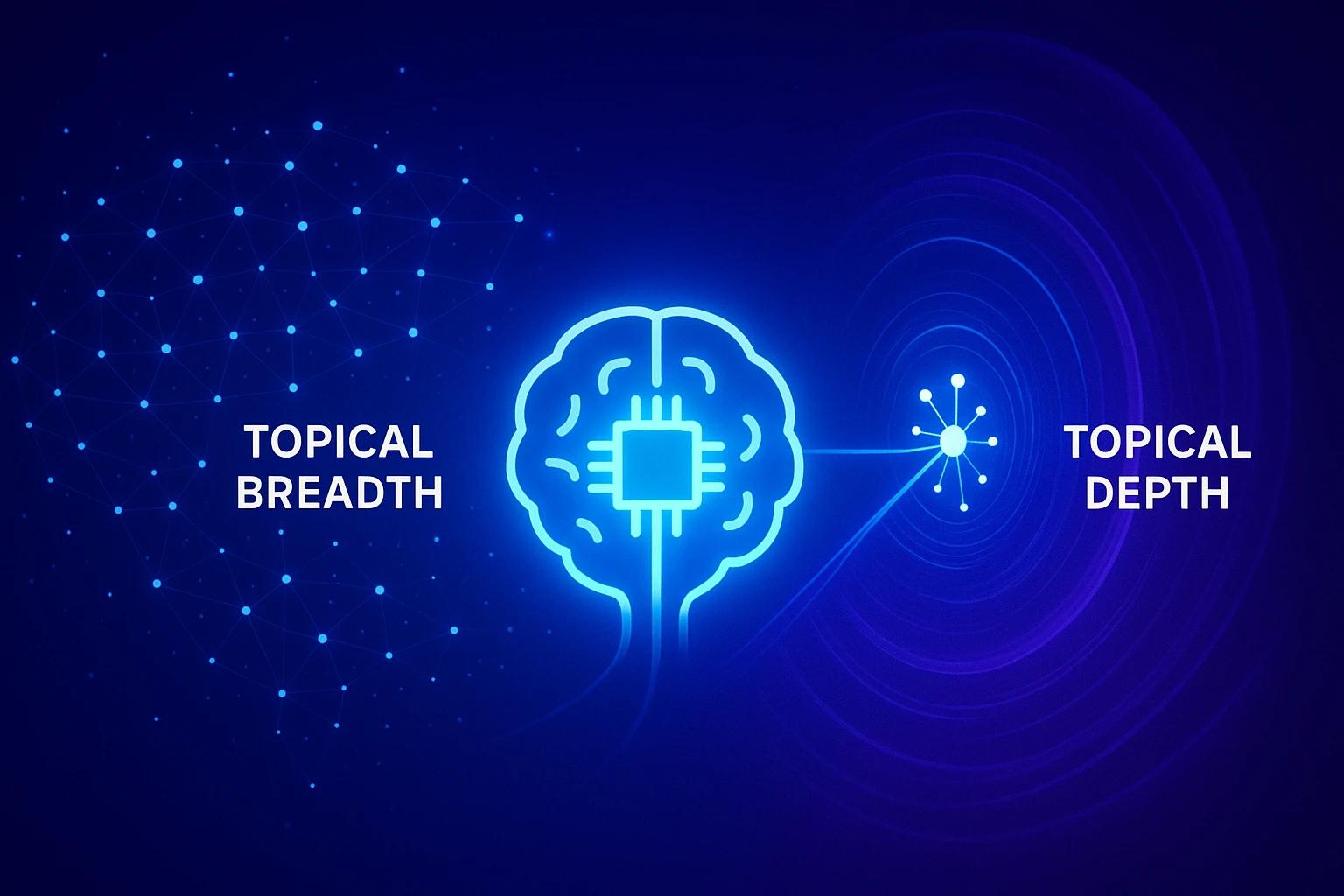
Topical Breadth vs Depth How Coverage Influences AI Answers
Learn how balancing topical breadth and depth helps your content get cited by AI answer tools and build authority.
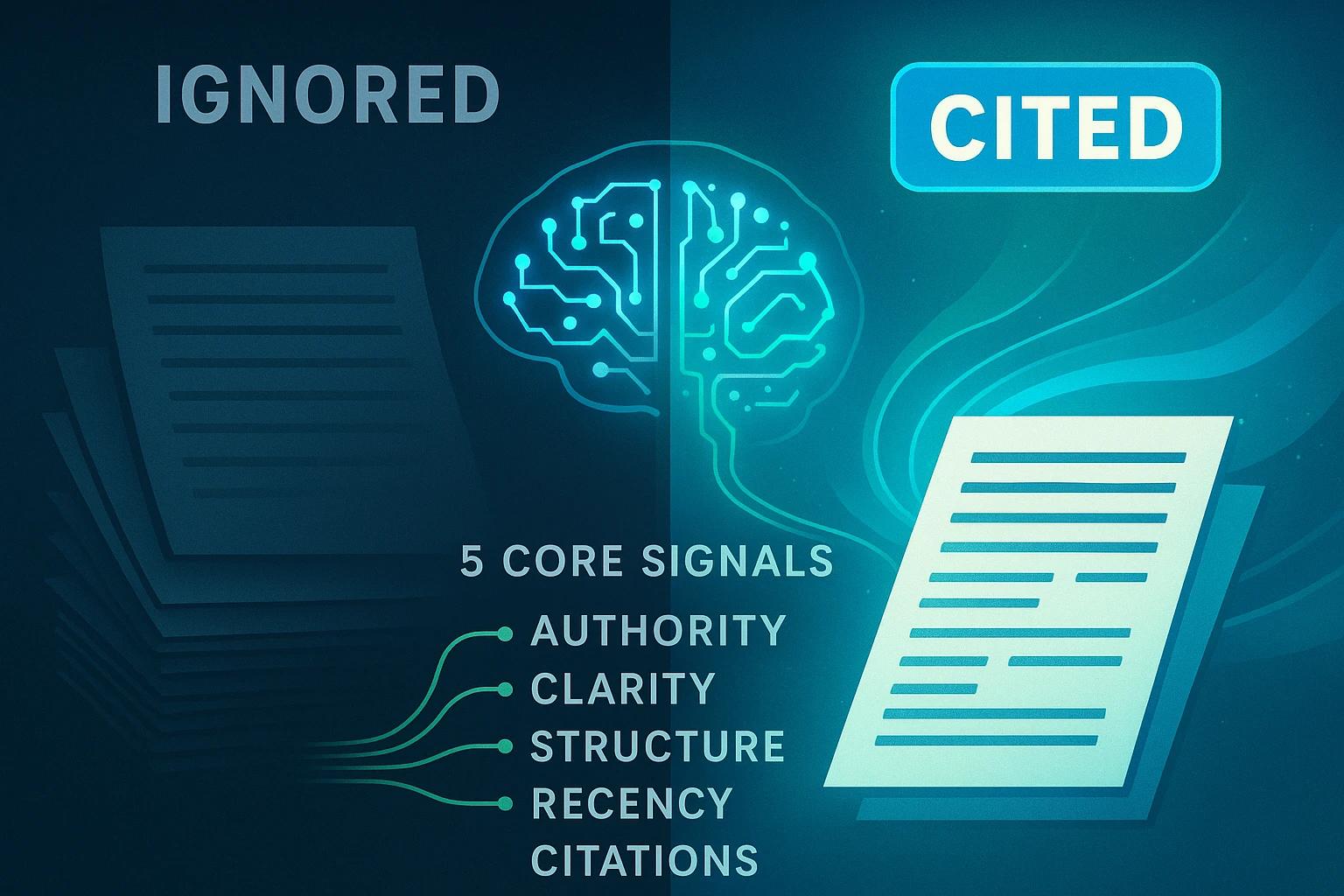
How AI Answer Engines Choose What to Cite
Discover the key signals and heuristics AI uses to decide which sources to cite in their answers.