How Update Cadence and Fresh Content Help AI Notice You

The Freshness Factor: How AI Assistants Pick Winners (and How to Become One)
You ask your smart speaker for the "best project management tools for small businesses in 2024." It doesn't recite a dusty article from 2019. Instead, it synthesizes a crisp, current answer, citing sources that were clearly updated just weeks ago.
Ever wonder how it does that?
It’s not magic; it’s a preference. AI assistants, from Google’s AI Overviews to ChatGPT, have a built-in bias for fresh, current information. They are designed to provide the most accurate, relevant, and trustworthy answers, and in a world that changes daily, "trustworthy" is often synonymous with "recent."
How significant is this bias? A comprehensive study by Ahrefs analyzing 17 million AI citations found that, on average, the content cited by AI is 25.7% fresher than other top-ranking pages. For some platforms like ChatGPT, that number jumps dramatically, with cited content being 393-458 days newer.
The message is clear: if your content isn't current, you're becoming invisible to the fastest-growing source of information discovery. Your old articles aren't just aging—they're being actively ignored.
What is Content Freshness in the AI Era?
Let's clear up a common misconception right away. Content freshness isn't about tricking the system by changing the publish date on an old post. Both users and AI are smarter than that.
In the context of Answer Engine Optimization (AEO), content freshness is the practice of making meaningful, substantial updates to your content to ensure it remains accurate, comprehensive, and relevant right now.
Think of it this way: AI assistants act like brilliant research assistants. They have access to a massive library of historical knowledge (their training data), but to answer a question about today's world, they need to check the latest journals, articles, and data points (the real-time web). Your fresh content is that up-to-the-minute journal they’re looking for.
This is the difference between:
- Historical Authority: An old, foundational guide that’s been linked to for years. It has value, but may contain outdated information.
- Timely Relevance: A recently updated article that reflects the current landscape, includes the latest data, and acknowledges recent events.
AI needs to balance both, but for queries where timeliness matters—like tech recommendations, financial advice, or news analysis—it will always lean toward timely relevance.
The Content Decay & Refresh Cycle: Why Your Best Articles Fade
Even the most successful piece of content has a natural lifecycle. It launches, gains traction, hits a peak, and then, inevitably, begins to decline as information becomes outdated and competitors publish newer, better content. This is "content decay."
But decay isn't the end of the story. A strategic refresh can trigger a "resurgence," breathing new life into the asset and making it even more valuable to both users and AI assistants.
Understanding this cycle is the first step toward building a sustainable content strategy. Instead of constantly producing new articles from scratch, you can revitalize your proven winners. This is not just efficient; it's exactly what AI assistants are looking for: reliable sources that actively maintain their information.
How AI Decodes Freshness: The Signals You’re Sending
AI doesn't just look at the publish date. It decodes a variety of signals to determine if your content is genuinely fresh and valuable.
Textual Cues
These are explicit indicators within your content that signal timeliness.
- Temporal Phrases: Using phrases like "As of October 2024," or "In our latest Q3 analysis..."
- Updated Data: Swapping out old statistics for new ones (e.g., changing a 2022 market report reference to the 2024 version).
- Recent Examples: Replacing a case study from five years ago with one from the last six months.
Technical Cues
These are the behind-the-scenes signals that crawlers use to understand your content's structure and history.
- Published and Modified Dates: The actual dates in your website's code (schema markup).
- Sitemap Priority: Regularly updated pages can be flagged in your sitemap.xml file.
- Internal Links: Pointing links from your new content to your refreshed "cornerstone" content signals its renewed importance.
Behavioral Cues
Ultimately, AI follows human behavior. If users are engaging with your content, it’s a powerful freshness signal.
- Recent Engagement: A surge in social shares, comments, or backlinks to an older piece after an update.
- Improved Click-Through Rate (CTR): When users see a recent date in search results and are more likely to click.
By optimizing for all three types of cues, you send a clear and powerful message to AI: "This content is current, maintained, and trustworthy."
From Theory to Action: A Simple Workflow for Content Refreshes
Knowing you need to update content is one thing. Knowing what to update and how is another. Here’s a simple, tool-agnostic approach for small teams.
Step 1: Identify Your Refresh Candidates
You don't need to update everything. Focus your effort where it will have the most impact. Look for content that is:
- High-Value but Decaying: Articles that used to drive significant traffic but have started to slip in the rankings.
- On Fast-Changing Topics: Content about technology, marketing trends, legal regulations, or product recommendations needs frequent updates to stay relevant.
- Core to Your Business: Your key service pages, "ultimate guides," or cornerstone articles that explain who you are and what you do.
Step 2: Prioritize Your List
Create a simple scoring model. For each candidate, rank it from 1-5 on:
- Business Impact: How important is this page for generating leads or sales?
- AI Citation Potential: Does this page answer a common, fact-based question that an AI would likely need to source?
- Age & Inaccuracy: How outdated is the information on the page?
Focus on the articles with the highest combined scores first.
Step 3: Execute Meaningful Updates
This is the most critical step. A meaningful refresh goes far beyond fixing a typo or rewording a sentence.
Here's what a substantial update involves:
- Add New Data: Find the latest industry reports, surveys, and statistics.
- Refresh Your Examples: Replace old product screenshots or cultural references.
- Expand the Content: Add new sections to cover aspects of the topic that have emerged since you first published. Answer new questions your audience is asking.
- Improve Clarity and Readability: Rewrite clunky paragraphs. Add bullet points, tables, and blockquotes to make the content easier to scan.
- Upgrade Your Visuals: Add new, original images, infographics, or videos.
As your content library grows, manually tracking and executing this refresh cycle becomes a significant challenge. This is where the power of a platform like Fonzy AI comes into play, designed to automate the content lifecycle from creation to optimization and continuous updates.
Frequently Asked Questions (FAQ)
What is content freshness in the context of AI assistants?
It’s the measure of how current, accurate, and relevant your content is today. It involves making substantial updates to information, data, and examples, not just changing a publication date.
Why do AI assistants prioritize fresh content?
Their primary goal is to provide trustworthy and accurate answers. For many topics, the most accurate information is the most recent. Citing outdated content erodes user trust, so they are programmed to have a preference for sources that demonstrate they are actively maintained.
How does content freshness impact my rankings and AI visibility?
Directly. Fresher content is more likely to be selected as a source for AI-generated answers and overviews. This not only puts you in front of more users but also establishes your brand as a timely authority. While traditional SEO ranking factors still matter, freshness is a key differentiator for getting noticed in this new AI-first landscape.
What's better: publishing a new article or updating an old one?
It depends. If you have an existing article on a topic that already has some authority (links, traffic), it is almost always more effective to perform a major update. You build on your existing momentum. For entirely new topics that you haven't covered, you'll need to publish a new article. A good strategy balances both.
Your Next Step: From Passive Content to Active Authority
The shift to AI-driven search isn't a future trend; it's the new reality. Your content can no longer be a "set it and forget it" asset. It needs to be a living, breathing resource that evolves with the world around it.
Start small. This week, identify just three articles on your website that are high-value but showing signs of decay. Go through them and make one meaningful update—add a new statistic, a more current example, or a new paragraph that addresses a recent development.
By adopting a mindset of continuous improvement, you’re not just optimizing for an algorithm; you're building a library of genuinely helpful resources. You're becoming the reliable, go-to source that both humans and AI can trust. This consistent effort is what separates fleeting content from lasting authority, and understanding this principle is the core mission of platforms like Fonzy AI, designed to help businesses achieve consistent organic growth, automatically.
Roald
Founder Fonzy — Obsessed with scaling organic traffic. Writing about the intersection of SEO, AI, and product growth.
Stop writing content.
Start growing traffic.
You just read about the strategy. Now let Fonzy execute it for you. Get 30 SEO-optimized articles published to your site in the next 10 minutes.
No credit card required for demo. Cancel anytime.
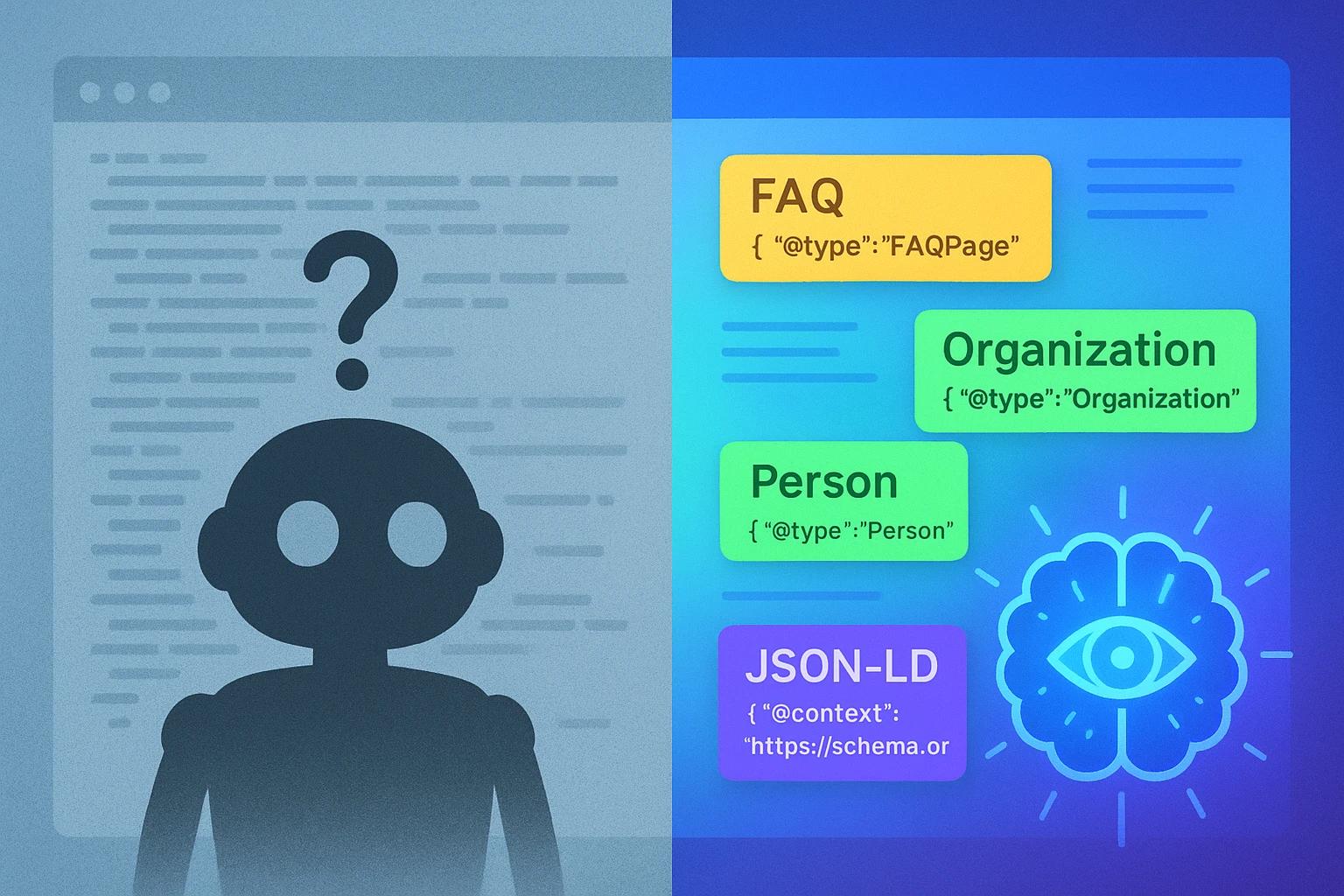
How Schema and FAQ Markup Help AI Understand Your Content
Learn how schema markup and FAQ help AI read your content clearly without needing developer skills.
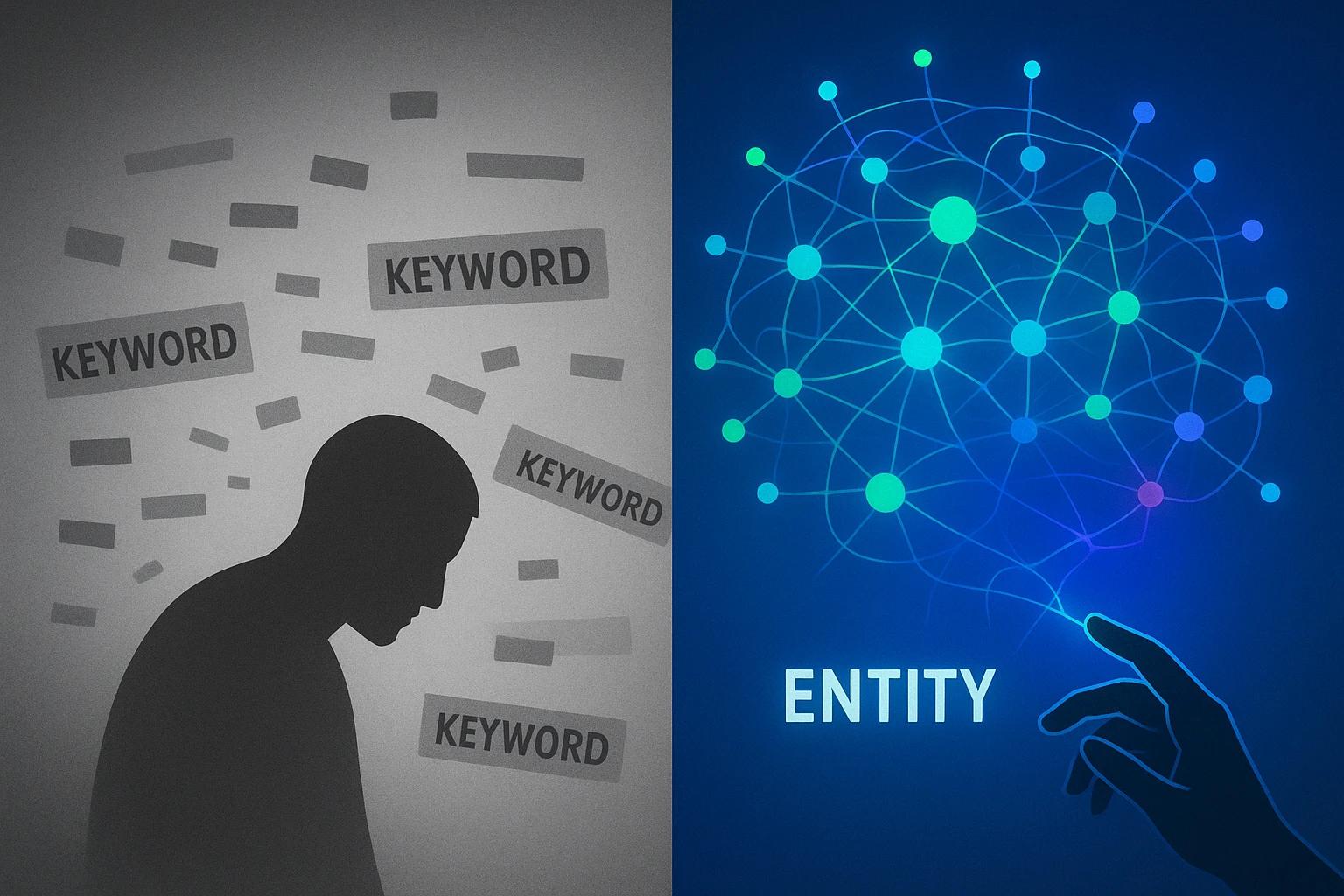
Building topical authority that AI and search engines trust
Learn how to shift from keywords to entities and build the expertise AI and search engines recognize and trust.
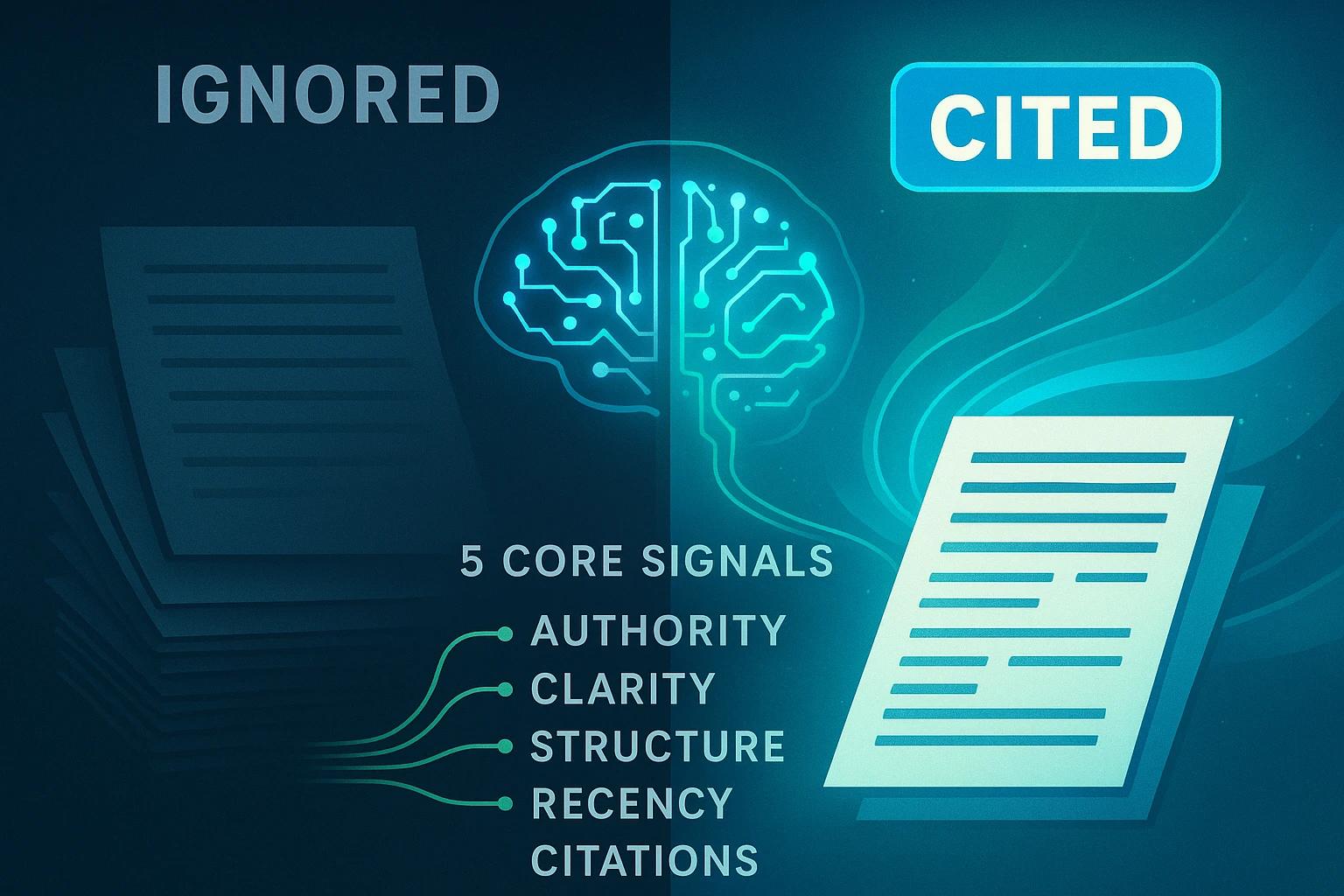
How AI Answer Engines Choose What to Cite
Discover the key signals and heuristics AI uses to decide which sources to cite in their answers.