Entity Building 101 How to Become a Trusted Web Source

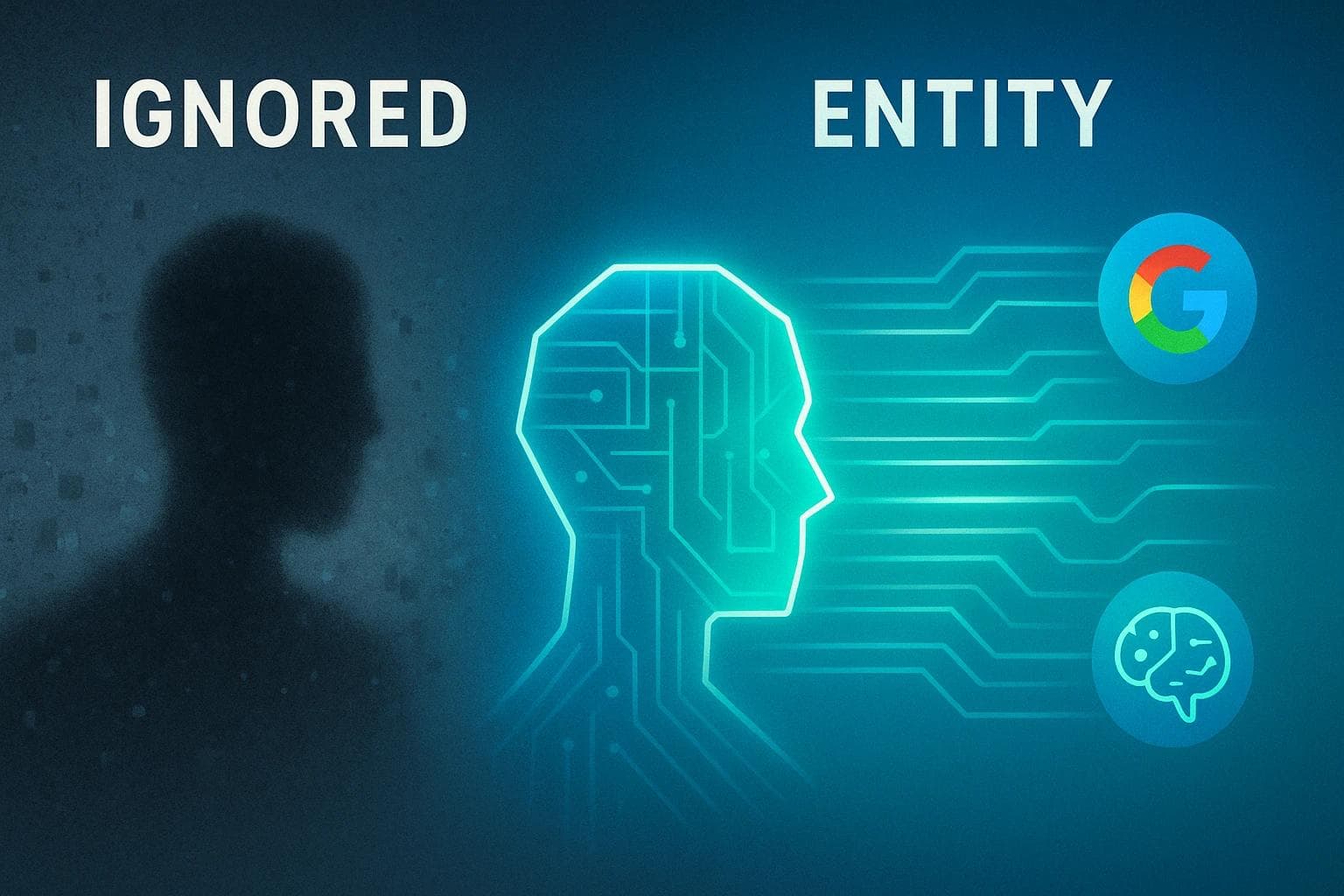
Entity Building 101: How to Become a Trusted Source for Google and AI
Ever feel like you’re shouting into the void? You’re creating excellent content, sharing valuable insights, and following all the traditional SEO rules, but your business, your product, or even you as an expert remain invisible online.
The problem might not be what you’re saying, but how Google and AI understand who you are.
In today’s digital world, search engines are evolving. They’ve moved beyond simply matching keywords on a page to understanding the real-world people, products, and ideas behind the content. They’re no longer just indexing "strings" of text; they’re building relationships with "things."
These "things" are called entities, and learning how to build one is the single most important shift you can make in your digital strategy. It’s the foundation for ranking higher in search and, crucially, for being cited as a trusted source in the new world of AI-generated answers.
What is a Web Entity? (And More Importantly, What It Isn’t)
When we talk about an "entity" in the context of SEO and AI, the term can get confusing. You might think of a business legal entity, a character in a video game, or a snippet of code. For our purposes, forget all of that.
A web entity is any distinct person, place, organization, product, or concept that a search engine can uniquely identify and understand. Think of it as a digital file folder in Google's brain. Inside that folder, it collects facts and relationships about that specific "thing" from all over the web to build a complete picture of what it is, what it does, and how credible it is.

For example, Google doesn't just see the letters "M-a-r-i-e C-u-r-i-e." It understands the entity Marie Curie—a Nobel Prize-winning physicist and chemist, connected to the concepts of radioactivity, the Sorbonne, and Poland. This deep understanding is built on a massive database called the Knowledge Graph, which currently holds information on over 8 billion entities.
Your goal is to turn your name, your brand, or your core product into one of these clearly defined, trusted entities.
Why Your Business Needs to Be a Trusted Entity
Becoming a recognized entity isn't just a vanity project; it's about building machine-readable trust. Google uses the concept of E-E-A-T (Experience, Expertise, Authoritativeness, and Trustworthiness) to evaluate content quality. A strong entity is a powerful signal of all four.
When Google can confidently identify you as an authoritative entity on a specific topic, it’s more likely to:
- Rank your content higher: It trusts that you are a reliable source of information.
- Showcase you in SERP features: Think Knowledge Panels, "People also ask" sections, and rich results.
- Understand your content's context: It can serve your content for queries that don't even contain your exact keywords because it understands the concepts you’re an expert in.
This foundation of trust is what separates businesses that thrive in search from those that remain invisible.
Your Entity-Building Blueprint: A 4-Step Guide
Building an entity sounds abstract, but the process is surprisingly practical. It boils down to creating a consistent, authoritative, and interconnected web of information that machines can easily interpret.

Step 1: Define Your Identity & Be Consistent
The first step is to decide on a single, canonical name for your entity and use it everywhere. Inconsistency is the enemy of entity building.
- For a Person: Are you "Dr. Jane Smith," "Jane Smith, PhD," or just "Jane Smith"? Pick one and stick with it across your website bio, LinkedIn profile, X (Twitter) handle, guest post bylines, and conference speaker pages.
- For a Product or Brand: Is it "AcuFlow," "AcuFlow CRM," or "Acu-Flow"? Standardize your name on your homepage, social media profiles, and directory listings like G2 or Capterra.
This consistent naming acts as a unique identifier, helping search engines connect all the different mentions of you across the web back to a single file folder.
Step 2: Build Authoritative Signals
Next, you need to create signals that prove your entity’s expertise and credibility. This goes beyond just getting backlinks. It’s about being present and validated in authoritative places.
- For People (Coaches, Consultants): Create a detailed author page on your website. Maintain an up-to-date LinkedIn profile. Get quoted in industry publications. Speak at events and ensure your speaker bio reinforces your chosen name and expertise.
- For Products: Get listed in reputable industry directories. Encourage reviews on trusted third-party sites. Publish detailed case studies and whitepapers that demonstrate your product's value.
- For Concepts: Publish comprehensive guides (like this one!) that cover a topic in-depth. Have recognized experts author the content. Reference authoritative datasets and studies to back up your claims.
Step 3: Use Structured Data (Schema Markup)
If consistent naming is like telling Google your name repeatedly, Schema markup is like handing it your official ID card.
Schema is a type of code you add to your website that explicitly defines your entity. You don't need to be a coding wizard to use it; many tools and plugins can help. The most common types are:
Person: Defines you as an individual, including your job title, affiliations, and links to your social profiles.Organization: Defines your company, including your logo, address, and official website.Product: Defines your product, including its name, reviews, and price.
This markup removes all ambiguity, telling search engines, "This piece of text isn't just a name; it's this specific person or this specific organization."
Step 4: Connect the Dots with Links
Finally, you need to show search engines how your entity relates to other established entities.
- Internal Linking: On your website, link between pages to create topic clusters. For example, a blog post about "lead generation" should link to your service page for "CRM software," reinforcing the connection between the concept and your product entity.
- External Referencing: When you write content, cite and link to other authoritative entities (universities, research institutions, industry leaders). This shows Google you're part of the expert conversation.
The Big Payoff: How Entities Fuel the AI Citation Economy
Here is the "aha moment" where this all comes together. Building a strong entity isn't just about traditional SEO anymore. It's about positioning yourself for the future of search: Generative Engine Optimization (GEO).
AI models like those powering Google's AI Overviews and ChatGPT are designed to provide trusted, reliable answers. To do that, they need to pull information from sources they can confidently identify and vet. A well-defined web entity is one of the strongest signals of a trustworthy source.

When an AI model can see your consistent name, your authoritative signals across the web, and your clearly defined Schema markup, it can attribute information to you with high confidence. The result? Your website gets cited as a source in AI-generated answers, driving highly qualified traffic and establishing you as a leader in your field.
This entire process, from entity building to getting cited in AI answers, is the core principle behind automated SEO platforms. The goal for a system like Fonzy AI is to build this trust and authority for you, automatically, so you can get found in both traditional search and AI-powered answers.
Frequently Asked Questions (FAQ)
What's the difference between entity SEO and traditional SEO?
Traditional SEO is primarily focused on keywords and backlinks. Entity SEO is a more holistic approach that focuses on building a brand's overall authority and credibility in the eyes of search engines. It's about optimizing for topics and concepts, not just strings of text.
How long does it take to build entity authority?
Entity building is a long-term strategy, not a quick fix. It takes time for search engines to discover, connect, and validate the signals you create. You might start seeing initial results in a few months, but building a truly authoritative entity can take a year or more of consistent effort.
Can a small business become an entity without a Wikipedia page?
Absolutely! While a Wikipedia page is a very strong signal, it's not a requirement. By following the blueprint—consistent naming, building signals in industry directories, getting local press, encouraging reviews, and using Schema—any legitimate business can establish itself as a recognized entity.
How do I know if I'm a recognized entity?
A good sign is when your brand name triggers a Knowledge Panel in Google search results. This is a special info box that appears on the right side of the page, showing Google has a consolidated, confident understanding of who you are. You can also monitor brand mentions and entity-driven search features.
Your First Step to Becoming Understood
Moving from being a collection of web pages to a trusted web entity is the foundational work of modern SEO. It’s how you build a lasting, defensible presence online that isn't at the mercy of every minor algorithm update.
Start today with a simple audit. Google your brand, your name, and your key products. Are the names consistent? Are the profiles up to date? This first step of standardizing your identity is the beginning of your journey to being understood by Google, by AI, and ultimately, by the customers looking for your expertise.
Roald
Founder Fonzy — Obsessed with scaling organic traffic. Writing about the intersection of SEO, AI, and product growth.
Stop writing content.
Start growing traffic.
You just read about the strategy. Now let Fonzy execute it for you. Get 30 SEO-optimized articles published to your site in the next 10 minutes.
No credit card required for demo. Cancel anytime.
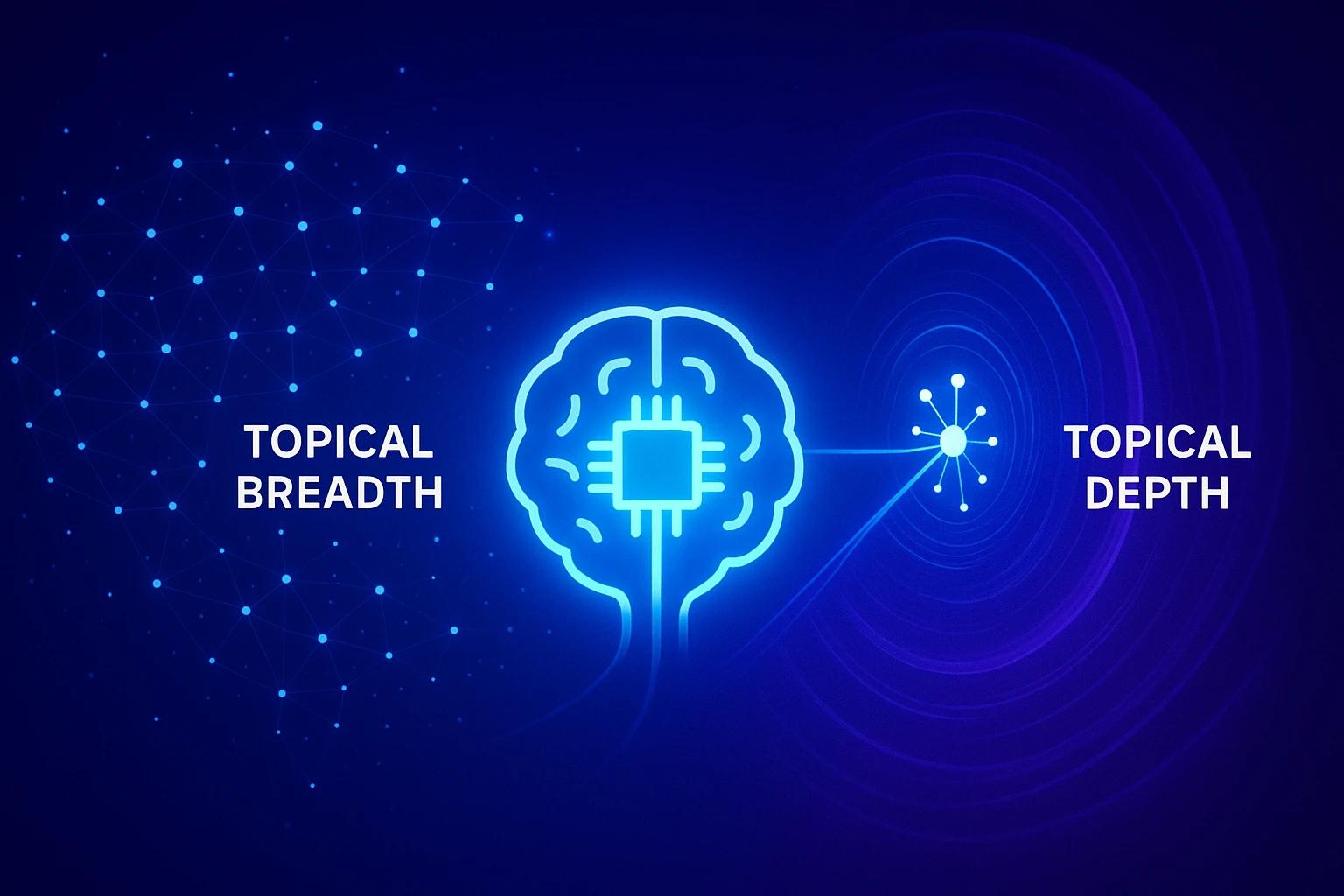
Topical Breadth vs Depth How Coverage Influences AI Answers
Learn how balancing topical breadth and depth helps your content get cited by AI answer tools and build authority.
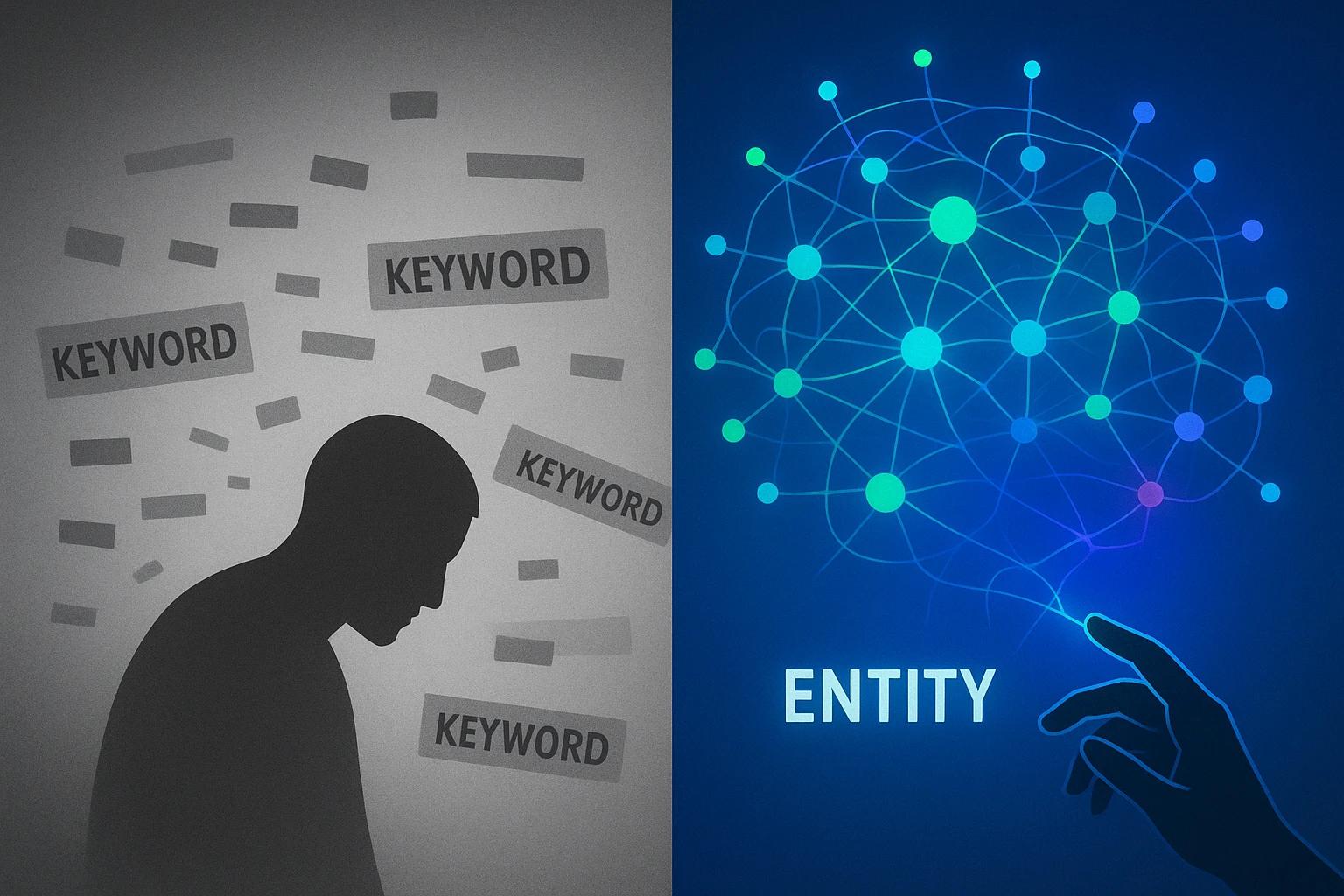
Building topical authority that AI and search engines trust
Learn how to shift from keywords to entities and build the expertise AI and search engines recognize and trust.
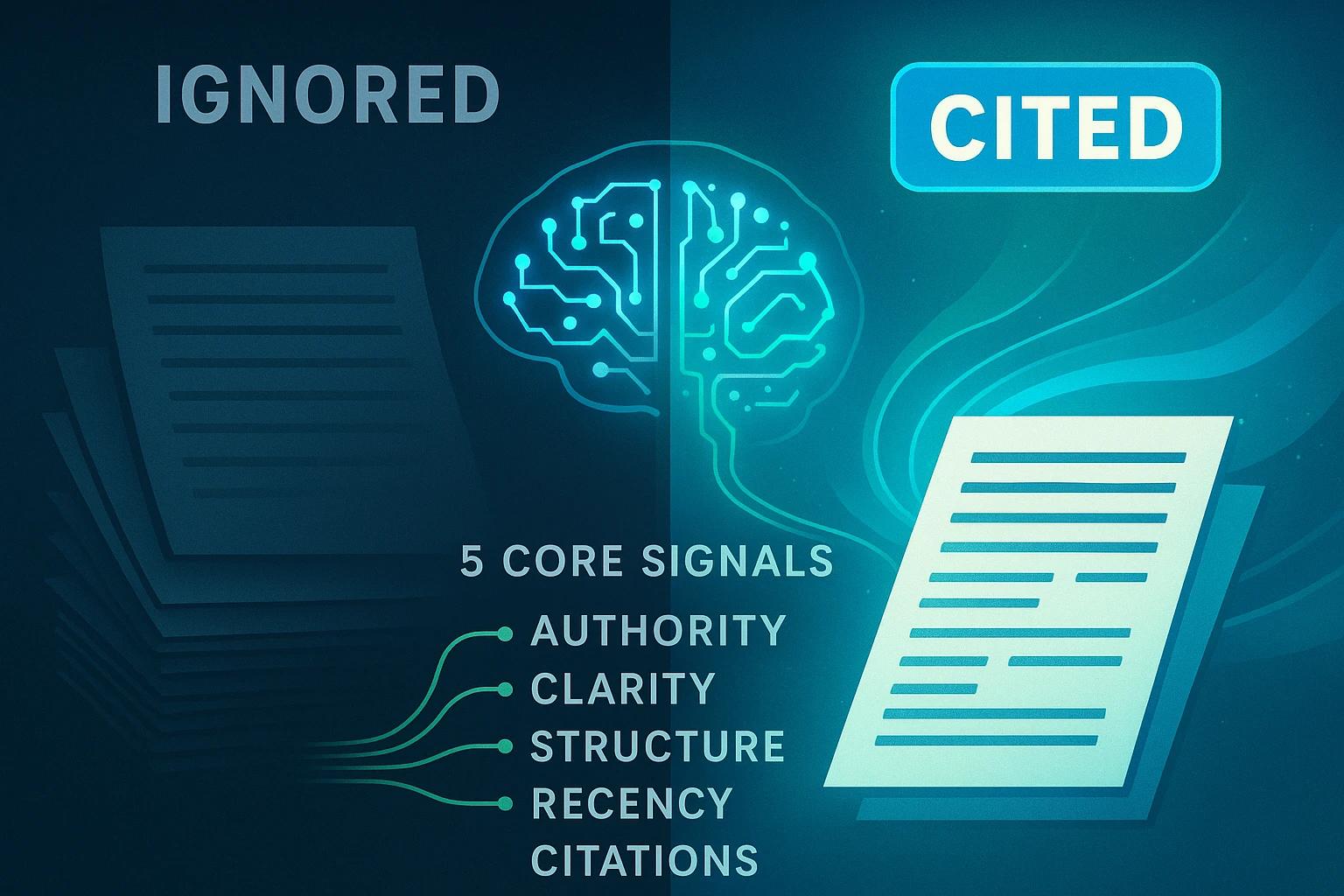
How AI Answer Engines Choose What to Cite
Discover the key signals and heuristics AI uses to decide which sources to cite in their answers.