Understanding provenance and evidence for credible content

The Unshakeable Content: A Guide to Provenance, Evidence, and Trust in the AI Era
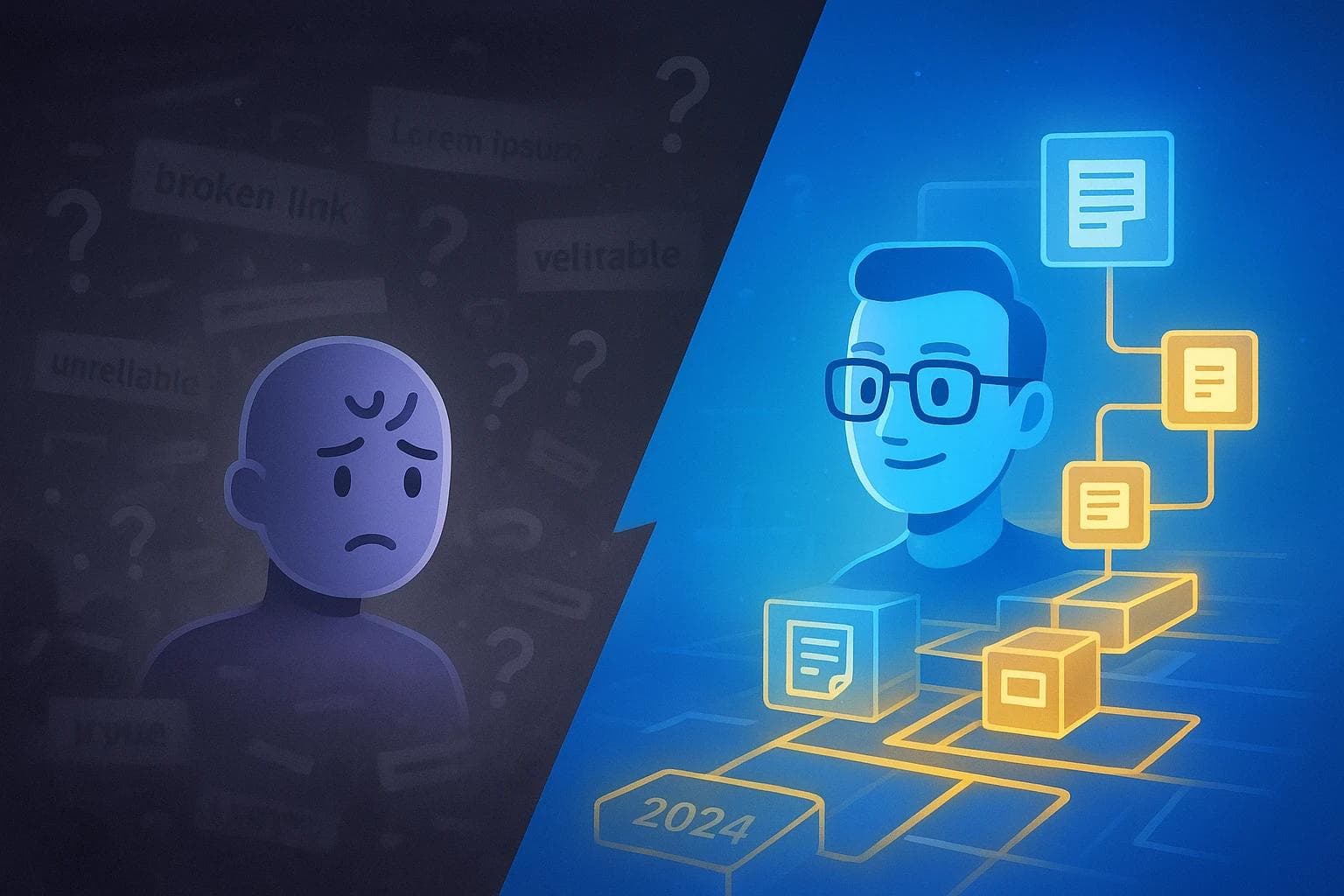
Ever fallen down an internet rabbit hole, clicking from one article to another, only to realize you can't find the original source for a statistic everyone keeps quoting? It feels like walking into a room where everyone is whispering the same rumor, but no one knows where it started. In a world saturated with content, that feeling of uncertainty is becoming the norm. Trust is eroding.
This is where a concept, once confined to art galleries and academic archives, becomes a superpower for content creators: provenance.
Simply put, provenance is the documented history of an object—or in our case, a piece of information. It's the answer to the questions: Where did this come from? Who created it? Why should I believe it?
In an age where AI can generate articles in seconds, proving that your content is grounded in reality isn't just good practice; it's the key to standing out, building an audience, and getting found in a new generation of search engines. This guide will show you how to move from creating disposable content to building unshakeable, citable assets that both humans and AI will trust.
What is Provenance, Really? From Art History to Your Blog Post
Traditionally, provenance was used to verify the authenticity of a painting. A documented chain of ownership from the artist's studio to the current gallery proved it was a genuine Monet, not a clever fake.
Today, we face a similar challenge with "digital fakes." As Cornell University notes in its media literacy guides, the line between misinformation, disinformation, and satire is increasingly blurred. This is why the concept of digital provenance is so critical. As the Numbers Protocol, a project focused on authenticating digital media, explains, digital provenance helps verify the origin and history of digital content, acting as a powerful tool against misinformation.
For a content creator, this means building a clear, verifiable trail for your claims. It’s the difference between saying "Experts agree that…" and "According to a 2023 survey of 500 industry professionals we conducted, 78% agree that…"
Why Verifiable Evidence is Non-Negotiable Now
Trust is built on evidence. Both your human readers and the AI systems powering search engines like Google are becoming incredibly sophisticated at sniffing out weak, unsupported claims. Here’s why a foundation of evidence is crucial:
For Your Human Audience: Readers are tired of generic content. Original data, like a unique survey, an expert interview, or a detailed case study, offers genuine value. It creates "aha moments" that transform a casual browser into a loyal follower because you’ve taught them something new and credible.
Demystifying "Original Data": You Don't Need a PhD and a Lab Coat
The biggest misconception holding creators back is that generating "original data" requires a massive budget or a team of researchers. That couldn't be further from the truth.
As guides from university libraries like Notre Dame and Yale emphasize for academic researchers, the goal is to make your work discoverable and reproducible. We can adapt this mindset for any type of content. "Original data" for your business can be simpler than you think.
Types of Original Data Anyone Can Create:
- Micro-Surveys: Poll your email list, social media followers, or a specific customer segment on a timely question. Even 50-100 responses can yield a unique insight no one else has.
- Expert Interviews: Record a 20-minute conversation with an industry expert and pull out the most compelling quotes and insights. Their expertise becomes part of your content's provenance.
- Proprietary Data Analysis: Do you use a tool that generates data? Analyze that data for trends. For example, an email marketing company could analyze open rates across industries to create a unique benchmark report.
- Case Studies: Detail a project you completed for a client (with their permission). Explain the problem, the steps you took (your methodology), and the verifiable results.
- Unique Curation & Analysis: Gather publicly available data from different sources and combine it in a new way to reveal a trend or insight that wasn't obvious before.
The key isn't the scale of the research; it's the transparency of your process.

How to Build a Foundation of Trust: Practical Steps for Citable Content
Making your content citable isn't about following rigid academic rules. It’s about adopting a mindset of clarity and transparency. Here’s how to start.
1. Document Your "How" (Methodology)
Whether you ran a survey, analyzed internal data, or interviewed an expert, briefly explain your process.
- Good: "We surveyed our audience."
- Better (More Citable): "In a poll conducted on our LinkedIn page from October 1-5, 2023, we asked 250 marketing managers about their primary content challenge."
This simple addition makes your claim verifiable and immediately more credible. It shows you did the work.
2. Date Everything
In the digital world, information gets stale fast. Dating your sources, data, and even your own articles is a critical trust signal.
- Add a "Published On" and "Last Updated" date to your articles.
- When citing a statistic, always include the year: "According to a 2023 report from HubSpot…"
- For your own data, specify the collection period: "(Data collected in Q3 2023)."
3. Make Your Claims Reproducible
Reproducibility is the cornerstone of scientific and academic trust. For content, it means providing your audience with the resources to check your work.
- Link to Primary Sources: Don't just mention a study; link directly to it.
- Share Raw Data (When Possible): If you run a survey, consider publishing the anonymized results in a public Google Sheet or data visualization.
- Quote Accurately: When quoting an expert, attribute it clearly with their name and title.
This transparency builds immense trust. You’re not just asking readers to believe you; you’re inviting them to see for themselves.
Why This Matters for the Future: AI, GEO, and Answer Engines
The internet is shifting from a web of pages to a web of answers. AI assistants and new search interfaces want to provide direct, factual answers, not just a list of links. This is the core idea behind Generative Engine Optimization (GEO), a new frontier in discoverability.
These AI systems are voracious learners, but they hate ambiguity. They are being trained to prioritize information that has clear provenance. Content with verifiable evidence, dated citations, and transparent methodologies is easier for an AI to understand, trust, and therefore, recommend in its answers.
Think of it like an "AI Trust Score." Every piece of verifiable evidence you include—a specific date, a link to a primary source, a clear methodology—increases your score. Vague, unsourced content gets a low score and is less likely to be used to form an AI-generated answer. By focusing on provenance now, you are future-proofing your content and optimizing it for the next era of search.
By embedding provenance into your workflow, you’re not just creating a blog post; you’re contributing a verifiable piece of knowledge to the web—one that both people and AI systems can rely on. This is how you build true, lasting authority.
Frequently Asked Questions (FAQ)
What is content provenance?
Content provenance is the documented history of a piece of information, showing where it came from, how it was created, and why it's credible. For digital content, it includes elements like original data, dated citations, author information, and a transparent methodology.
What makes data or content credible?
Credibility comes from verifiability. Content is credible when it is supported by evidence, such as original research (surveys, case studies), links to primary sources, direct quotes from named experts, and a clear explanation of how the information was obtained.
How do I cite my own original data?
Clearly state that the data is original to your company or publication. Describe the methodology you used to collect it (e.g., "In a survey of our 500 newsletter subscribers conducted in January 2024…"). This acts as a self-citation and establishes your authority.
What are the basic criteria for evaluating sources?
Many university libraries recommend frameworks like the CRAAP test (Currency, Relevance, Authority, Accuracy, Purpose). Ask yourself: Is the information timely? Is it relevant to my topic? Who is the author and are they an expert? Is the information accurate and supported by evidence? What is the purpose of the information—is it to inform, persuade, or sell?
Your Next Step: From Creator to Authority
The shift towards evidence-based content is here to stay. The creators and brands who embrace transparency and commit to generating real value will be the ones who thrive in the age of AI.
Start small. For your next piece of content, challenge yourself to include one piece of original evidence—a simple poll, a quote from an expert you reached out to, or a unique analysis of a public report.
By building your content on a foundation of verifiable truth, you stop competing in the crowded ocean of generic articles and start building a reputation as the source everyone else cites.
Roald
Founder Fonzy — Obsessed with scaling organic traffic. Writing about the intersection of SEO, AI, and product growth.
Stop writing content.
Start growing traffic.
You just read about the strategy. Now let Fonzy execute it for you. Get 30 SEO-optimized articles published to your site in the next 10 minutes.
No credit card required for demo. Cancel anytime.
Editorial rules for building trust with authorship and transparency
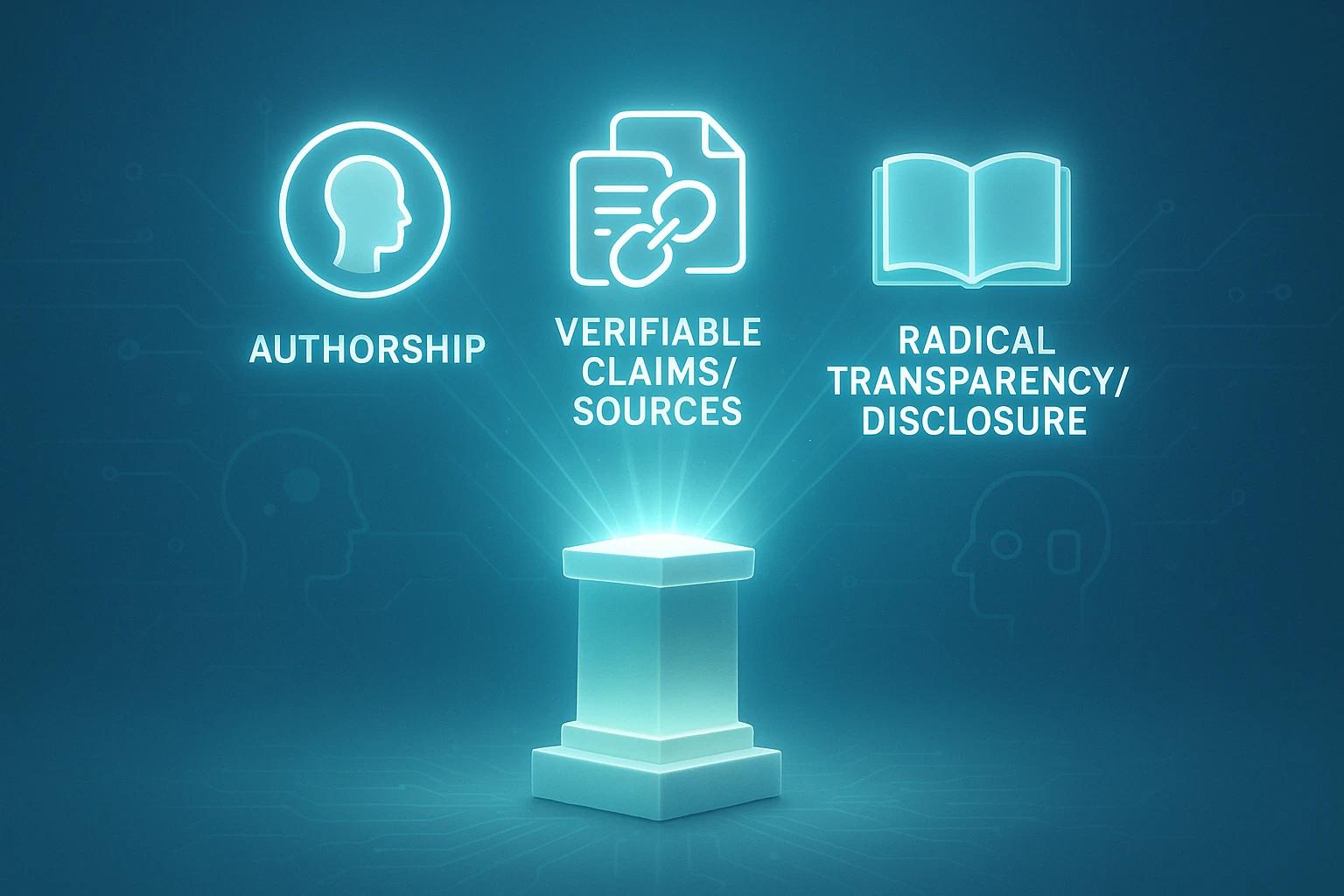
Discover simple editorial rules to boost content trust through clear authorship, transparency, and verifiable claims for better visibility.
Measuring AI Visibility Practical Content Signals
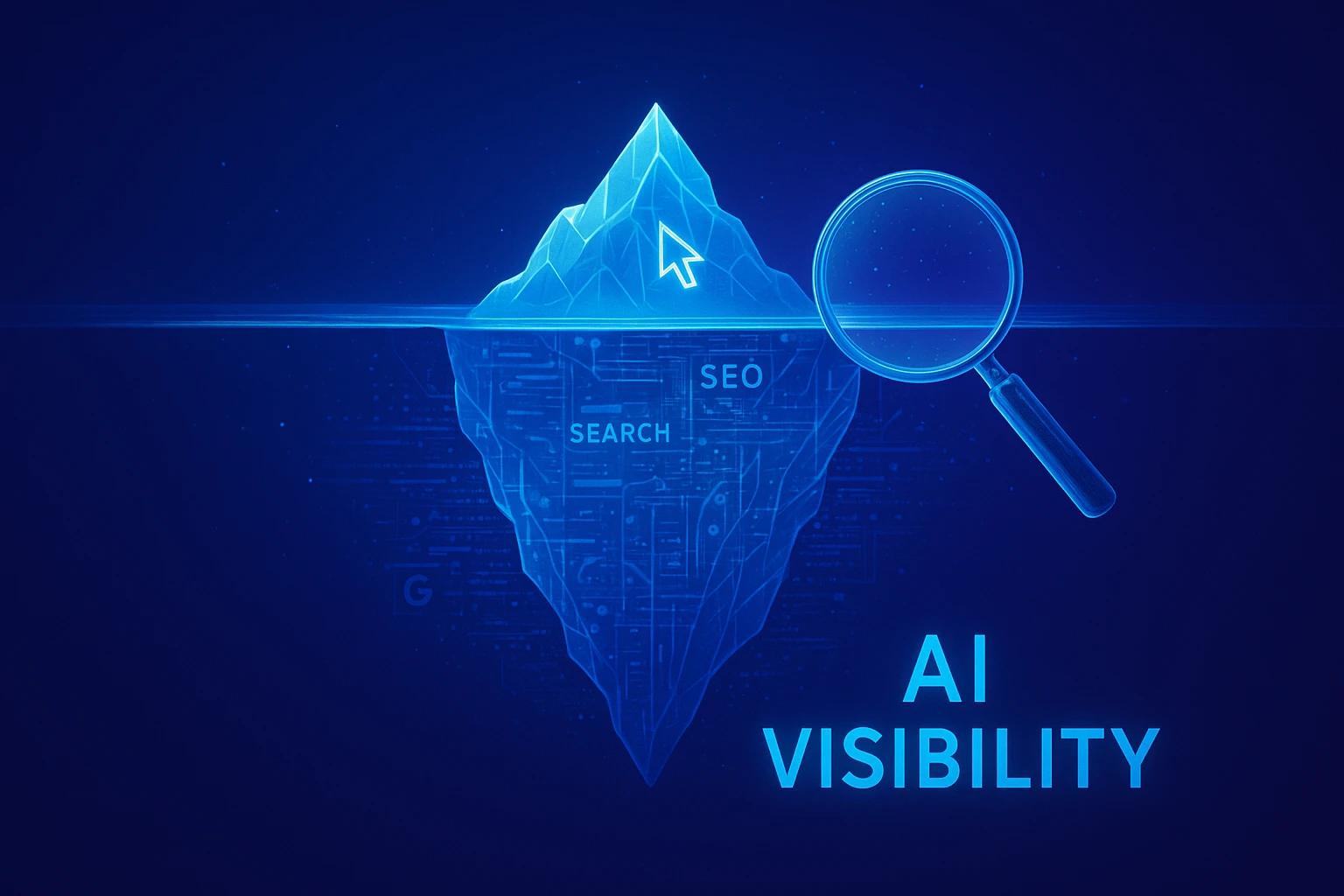
Learn how to spot practical signals that show when AI assistants use your content and why it matters for your strategy.
Conversational language mapping matching how people ask questions
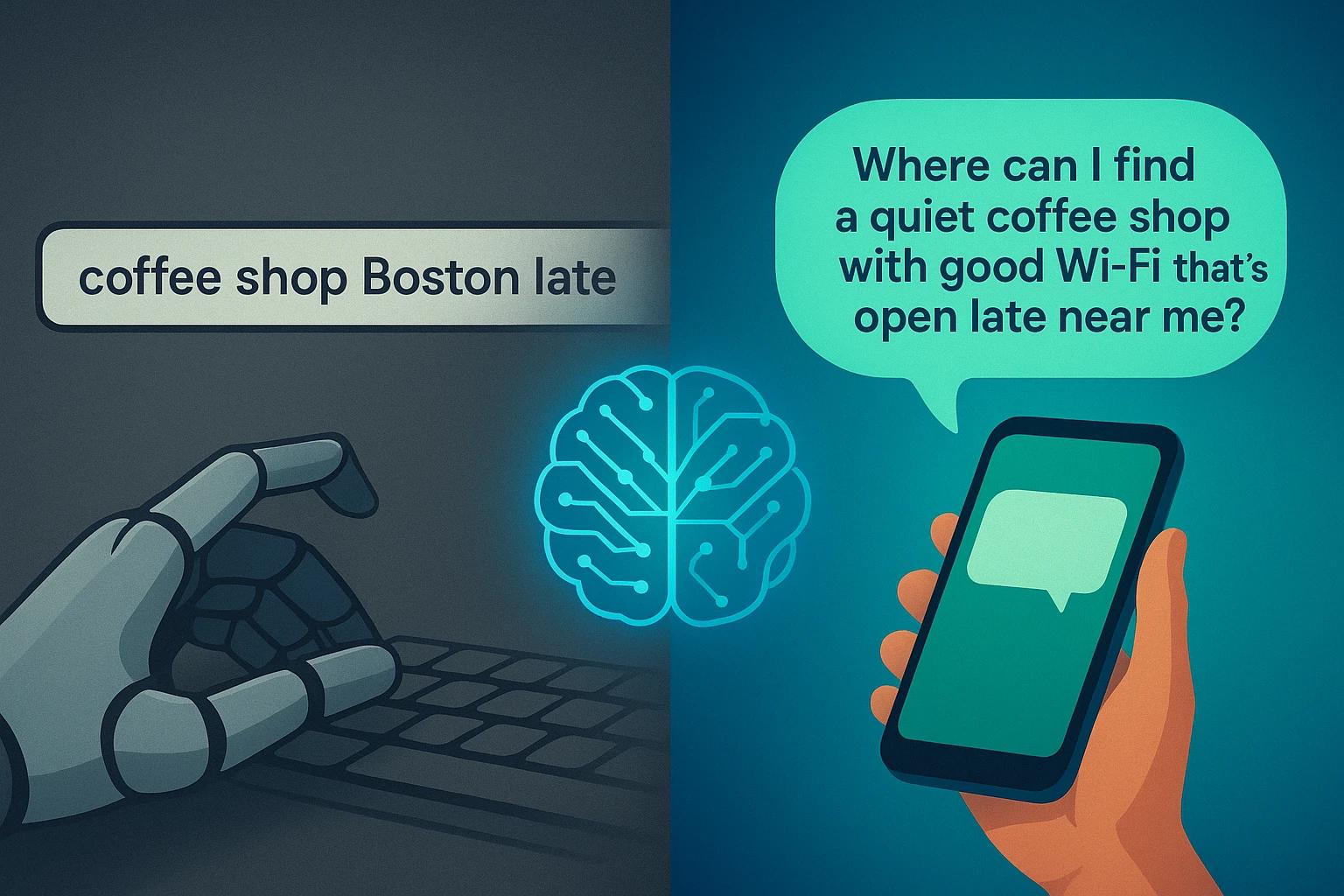
Learn how to align your content with natural questions your audience uses to improve SEO and AI discovery.