
Why AI Ignores Your Content: A Guide to Becoming a Citable Source
You’ve spent hours, maybe even days, perfecting a blog post. You’ve researched, written, and published a piece of content you’re genuinely proud of. You hit “publish” and wait for the traffic to roll in. But in the new world of AI-powered search, where users get direct answers instead of a list of links, your masterpiece is met with silence. It’s not showing up. It’s not being cited. It’s as if it doesn’t exist.
If this sounds familiar, you’re not alone. The rules of online visibility are changing. Being ranked #1 on Google is no longer the only goal. The new prize is becoming a trusted, citable source for AI engines like Perplexity, Google’s SGE, and ChatGPT.
This isn’t about tricking an algorithm. It’s about fundamentally rethinking how we signal trust and authority to a machine that is learning to think like a very discerning, fact-checking human. Let’s pull back the curtain on what makes a webpage “citable” and how you can start building the trust signals that get you noticed.
The Three Pillars of AI Trust
Before we dive into the nitty-gritty, it's helpful to understand that AI models don’t “trust” content by accident. They are programmed to look for specific clusters of signals that prove a source is credible. Think of it like a three-legged stool: if one leg is weak, the whole thing wobbles. These pillars are Entity Identity, Evidence & Citations, and Technical & UX.

Understanding these three areas is the first step toward transforming your content from invisible to indispensable.
A Deep Dive into AI Trust Signals
Let's break down what each of these pillars actually means in practice. You might be surprised to see how many of these signals are rooted in good, old-fashioned quality and user experience.
Pillar 1: Who Are You? Establishing Your Entity Identity
AI needs to know who is behind the information. Anonymity is a red flag. To an AI, a strong entity identity means the content comes from a real, verifiable person or organization with credentials.
- Clear Authorship: Does every article have a named author with a detailed bio? This bio should link to their social media profiles (like LinkedIn) and mention their qualifications or experience. It answers the AI’s question: “Is this person a credible expert on this topic?”
- Organizational Authority: Your "About Us" page is more important than ever. It should clearly state who you are, what you do, and what your mission is. Using Schema markup (a type of code that explains your content to search engines) helps an AI connect the dots between your website, your social profiles, and your physical location if you have one.
- Consistent Brand Footprint: Your brand's name, address, and phone number (NAP) should be consistent across the web—from your website to your Google Business Profile and industry directories. Consistency builds a verifiable identity.
Pillar 2: What's Your Proof? Building Evidence & Citations
Great content doesn't exist in a vacuum. AI models look for external validation to confirm that others in your field trust what you have to say.
- High-Quality Backlinks: This is still a cornerstone of authority. A link from a respected industry publication or university is a powerful vote of confidence. It tells the AI, “Other experts trust this source, so I probably should too.”
- Transparent Sourcing: Just like in an academic paper, citing your sources matters. When you make a claim or state a statistic, link out to the original study or primary source. This demonstrates transparency and shows that your content is well-researched.
- Mentions from Authoritative Sources: Even without a direct link, mentions of your brand or authors in reputable news articles, forums, or research papers contribute to your perceived authority.
Pillar 3: Is Your House in Order? Nailing the Technical & UX Fundamentals
If an AI can’t easily access, read, and understand your page, it doesn’t matter how brilliant your content is. A clean, well-structured site is a massive trust signal.
- Core Web Vitals (CWV): These are metrics Google uses to measure user experience—how fast your page loads, how quickly it becomes interactive, and how stable it is visually. A poor user experience signals a low-quality site to both humans and AI.
- Clean, Logical Structure: Your website should be easy to navigate. This includes using HTTPS for security and having a clean URL structure. On the page level, using headings (H1, H2, H3) correctly creates a clear hierarchy. It's crucial to understand what’s the impact of heading structure on ai extractability?, because these headings act as a table of contents, allowing AI to quickly grasp the main points of your article.
- Machine Readability: This involves having a clean XML sitemap that helps crawlers find all your pages, using descriptive alt text for images, and ensuring your site is mobile-friendly. The easier you make it for a machine to parse your content, the more likely it is to be trusted and used.
How Citable is Your Content? A Quick Audit
Feeling a little overwhelmed? That’s okay. The best way to start is by taking stock of where you are now. Use this flowchart as a guide to begin auditing your own content and identifying the most significant gaps.

Your Mini-Audit Checklist:
- Author Bios: Does every article have one? Are credentials listed?
- External Links: Are you linking out to credible primary sources to back up your claims?
- Page Speed: Use Google's PageSpeed Insights to check your Core Web Vitals. Is your score in the green?
- Headings: Does your latest article use a logical H1 -> H2 -> H3 structure?
- FAQs: Do your articles include a dedicated FAQ section that directly answers common user questions?
This simple check-up can reveal the low-hanging fruit—the quick wins that can start making a difference right away.
The Anatomy of an AI-Friendly Page
Optimizing for AI isn't just about technical signals; it's also about the way you write and structure your information. AI models are designed to find clear, concise, and quotable answers to human questions.
The most citable content often shares these characteristics:
- Clarity and Simplicity: It avoids jargon and explains complex topics in simple terms.
- Concise Definitions: It provides direct definitions for key terms (e.g., "Generative Engine Optimization (GEO) is the practice of…").
- Structured Data: It uses lists, bullet points, and tables to organize information, making it easy for an AI to extract specific data points.
- Explicit Q&A: Pages with dedicated FAQ sections are goldmines for AI. You are literally providing the exact question and a perfect, self-contained answer for it to use.
Ultimately, writing for an AI is about writing for a very busy, very literal human. Make your points clearly, structure them logically, and prove that you know what you’re talking about.

Frequently Asked Questions
### What are AI trust signals?
AI trust signals are the specific on-page and off-page characteristics that an AI language model uses to determine if a webpage is a credible, authoritative, and reliable source of information. They fall into three main categories: Entity Identity (who you are), Evidence (external proof of your credibility), and Technical/UX (how well your site is built).
### What is Generative Engine Optimization (GEO)?
Generative Engine Optimization (GEO) is a set of practices aimed at making your content more visible and likely to be used in the answers generated by AI search engines. It builds on traditional SEO but places a stronger emphasis on machine readability, clear and direct language, and demonstrating deep subject matter authority.
### How is this different from traditional SEO?
While there is a lot of overlap (like the importance of backlinks and site speed), GEO is less about ranking in a list of links and more about becoming the source for a single, definitive AI-generated answer. It requires a greater focus on explicit trust signals, such as author credentials and transparent sourcing, and structuring content into easily digestible, quotable snippets.
### Can AI make mistakes or "hallucinate" citations?
Absolutely. AI models can misunderstand context, misattribute information, or even invent sources entirely—a phenomenon known as "hallucination." This is why building strong, clear, and unambiguous trust signals is so critical. The more trustworthy your site appears, the less likely an AI is to misinterpret your content and the more likely it is to cite you correctly.
Your Next Step: From Invisible to Authoritative
The shift to an AI-driven internet can feel daunting, but it’s also an incredible opportunity. By focusing on building genuine authority and creating high-quality, human-centric content, you are perfectly positioning yourself for this new era of search.
The goal isn't to create sterile, robotic content. It's to build a foundation of trust so strong that both humans and AI recognize you as the go-to resource in your field. Start with a simple audit of your own site. Pick one article and see how it stacks up against the pillars of trust. Every small improvement is a step toward becoming a citable source.

Roald
Founder Fonzy — Obsessed with scaling organic traffic. Writing about the intersection of SEO, AI, and product growth.
Stop writing content.
Start growing traffic.
You just read about the strategy. Now let Fonzy execute it for you. Get 30 SEO-optimized articles published to your site in the next 10 minutes.
No credit card required for demo. Cancel anytime.
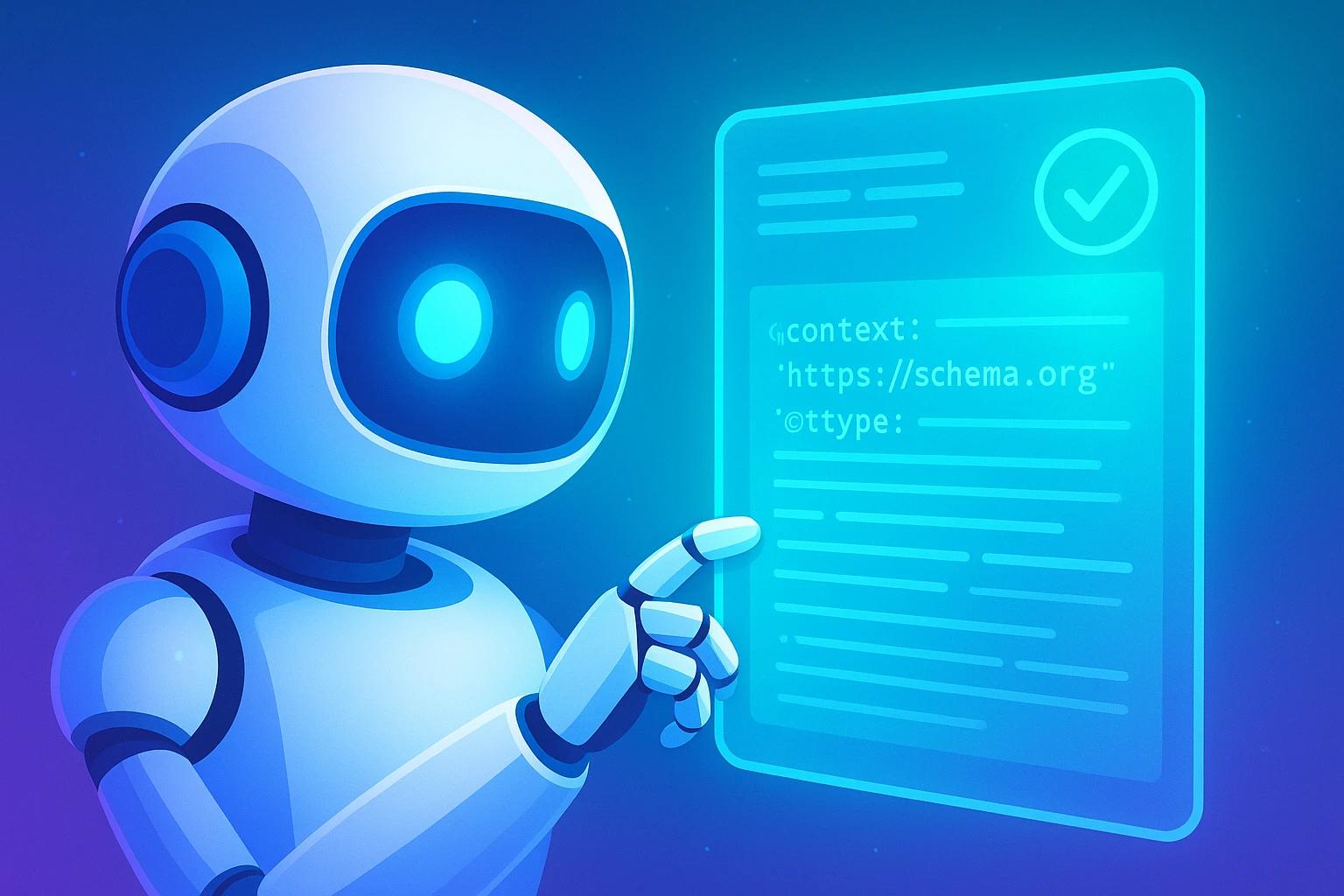
Structured Data and Schema Basics for AI Extraction
Learn how structured data and schema make your content easy for AI to find and cite with clear, simple labeling.
How to Write Content for Concise AI Answers
Learn a simple checklist to create clear content that AI models choose for direct, concise answers.
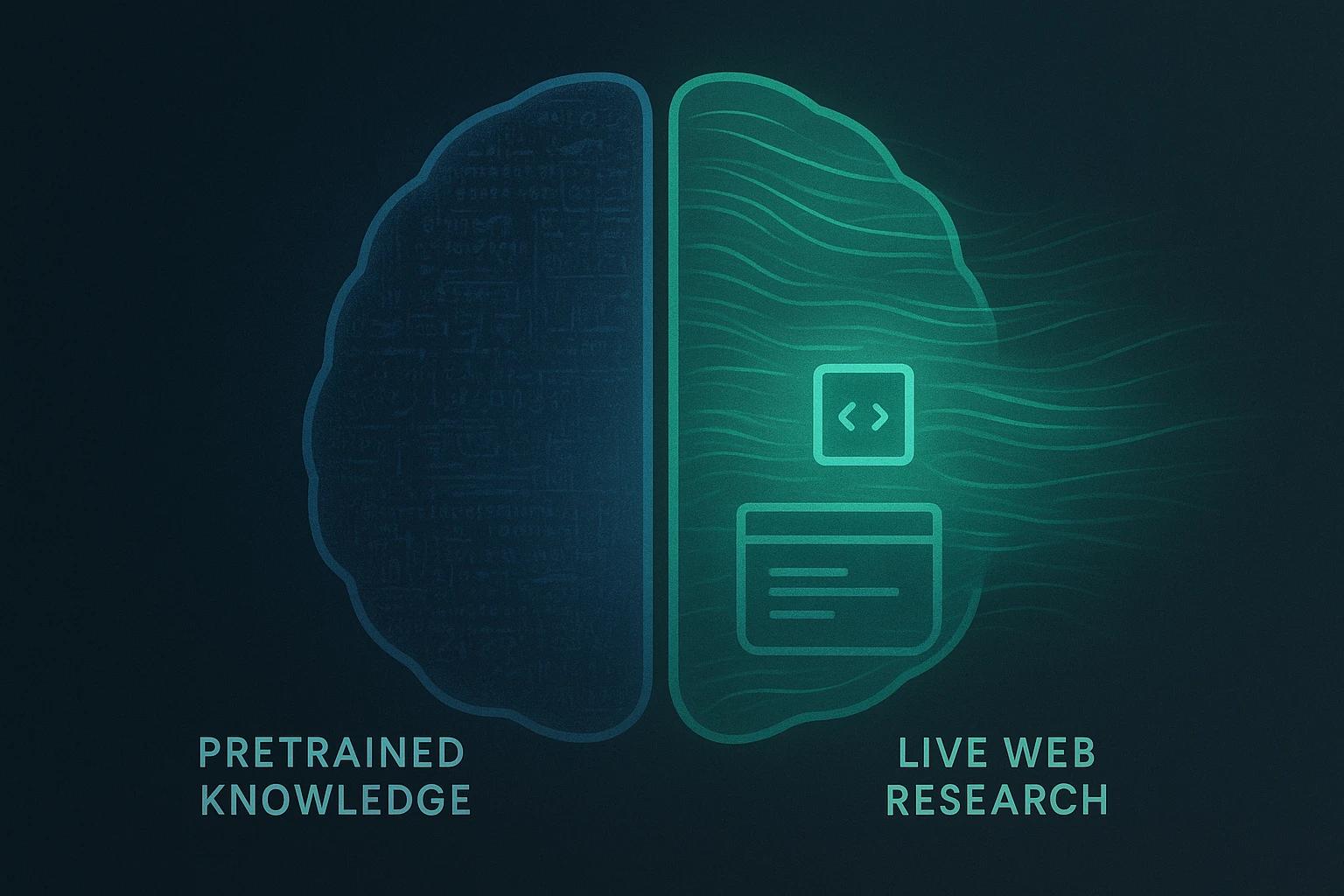
How AI Assistants Find and Cite Web Sources
Discover how ChatGPT and AI assistants locate and reference web content to provide accurate answers with citations.