
From One-Off Posts to a Repeatable Content System: A Simple Checklist for Business Owners
It’s 10 PM on a Tuesday. You know you need to post something on your blog this week to keep your business visible, but you’re staring at a blank screen. The last article you published was three weeks ago, and the one before that was a month prior. You have plenty of great ideas, but finding the time to turn them into consistent, high-quality content feels like an impossible task.
If this sounds familiar, you’re not alone. Most small business owners, coaches, and consultants are trapped in a cycle of "one-off" content creation. You post when inspiration strikes or when panic sets in, but there’s no rhythm, no strategy, and—most frustratingly—no predictable results.
The good news? The solution isn’t working harder. It's working smarter by building a repeatable content system. This isn't about adding more to your plate; it's about creating a simple, predictable "assembly line" that transforms your ideas into a consistent stream of valuable content that attracts customers, automatically.

What is a Repeatable Content System (and Why You Desperately Need One)
Think of it like this: a one-off blog post is like cooking a single, elaborate meal. It takes a lot of focused effort, and once it's done, the kitchen is a mess, and you have to start from scratch the next time.
A repeatable content system is like meal prepping for the week. You plan ahead, use a consistent set of tools and recipes (templates), and create a steady supply of meals (content) with far less daily stress.
At its core, a repeatable content system is a documented process that covers the entire lifecycle of your content:
- Planning: Deciding what to write about based on your business goals and audience needs.
- Creation: The actual process of outlining, writing, and optimizing the content.
- Publishing: Getting your content live and in front of the right people on a consistent schedule.
- Tracking: Measuring what works so you can do more of it.
The benefits are game-changing. Businesses with a clear system see improved efficiency (some studies suggest templates alone can cut production time by up to 40%), better content quality, and most importantly, consistent organic growth. You stop guessing and start building a reliable engine for your business.

The Hidden Costs of Content Chaos
Without a system, you're not just losing time; you're facing significant operational gaps that hold your business back. You might recognize some of these:
- Inconsistent Publishing: Leads to a feast-or-famine effect on traffic and audience engagement.
- Topic Paralysis: Wasting hours trying to decide what to write about next.
- No Compounding Value: Each post exists in a silo, failing to build on the authority of your other content.
- Wasted Effort: Creating content that doesn't align with business goals and produces zero measurable results.
A repeatable system closes these gaps, often by introducing simple automation that handles the repetitive tasks, freeing you up to focus on what you do best: sharing your expertise.

The Simple Checklist to Build Your Content System
Ready to move from chaos to consistency? Follow this four-phase checklist. The goal is to start simple and build from there.
Phase 1: The Strategic Planning System
This is where you decide what to create and why. A good plan eliminates 90% of the "blank page" problem.
- [ ] Define Your One Goal: What is the primary job of your content? Is it to generate leads, book consultation calls, or sell a product? Be specific. All content ideas will be measured against this goal.
- [ ] Identify Your Pillar Topics: Choose 3-5 broad "pillar" topics that are central to your business and your customers' biggest problems. For a business coach, these might be "Leadership," "Productivity," and "Team Building."
- [ ] Brainstorm Supporting Topics: For each pillar, list 5-10 specific questions your customers ask. These become your blog post titles. (e.g., For the "Productivity" pillar: "How to run more effective meetings," "5 time management myths busted").
- [ ] Create a Simple Editorial Calendar: Use a spreadsheet or a tool like Trello. Map out your topics for the next month. Just having a plan you can see makes a world of difference. Your calendar should include the topic, target keyword, status (e.g., idea, drafting, published), and publish date.
Automation Spotlight: The planning phase is where you can see the power of a comprehensive SEO and content plan. AI-powered platforms can analyze your website and market to identify high-impact topics and keywords automatically, building your entire calendar for you.
Phase 2: The Efficient Creation Workflow
This is your assembly line for producing high-quality content without reinventing the wheel every time.
- [ ] Use a Content Template: Create a simple, reusable outline for your articles. It could be as basic as:Hook: Relatable problem/question.
- Introduction: What the article will solve.
- Point 1: Explain, provide example.
- Point 2: Explain, provide example.
- Point 3: Explain, provide example.
- Conclusion: Summarize and add a call-to-action.
[ ] Write "Good Enough" First Drafts: Don't aim for perfection. Focus on getting your ideas down quickly. You can edit and polish later. The goal is momentum, not mastery, on the first pass.[ ] Systematize Your SEO: For every post, have a mini-checklist:
- Include the main keyword in the title, first paragraph, and at least one subheading.
- Add 2-3 relevant internal links to your other content.
- Optimize your images with descriptive alt text.
[ ] Bake in Internal Linking: As you write, intentionally link to other relevant articles on your site. This is crucial for SEO and helps keep readers engaged. Instead of a one-time audit, make it part of every article's creation process.
Automation Spotlight: Manually finding internal link opportunities is tedious. Today's AI-powered tools to rank higher in SEO can automatically suggest relevant internal links as you write, ensuring you build a powerful, interconnected web of content without the manual effort. This is a core part of modern generative engine optimization (GEO).
Phase 3: The Automated Publishing & Distribution System
Great content is useless if no one sees it. This phase ensures your content gets published consistently and reaches your audience.
- [ ] Schedule Everything in Advance: Never hit "publish" manually again. Once an article is ready, schedule it in your CMS (like WordPress or Webflow) to go live on your chosen day and time. Consistency signals reliability to both search engines and human readers.
- [ ] Set Up Social Sharing: Use a tool like Buffer or Hootsuite to schedule social media posts promoting your new article across your channels. Write them once, and let the tool handle the rest.
- [ ] Inform Your Email List: Prepare a simple email template to send to your subscribers whenever a new post goes live. This drives immediate traffic and nurtures your most loyal audience.
Automation Spotlight: The entire publishing and scheduling process can be fully automated. Advanced systems can take your approved content plan and handle the daily publication of optimized articles directly to your CMS, complete with scheduling and social promotion, ensuring you never miss a beat.
Phase 4: The Simplified Performance Tracking System
You can't improve what you don't measure. But you don't need to be a data scientist to track what matters.
- [ ] Choose 1-2 Key Metrics: Don't get lost in analytics. Go back to your goal from Phase 1. If your goal was lead generation, your key metric is "form submissions from blog posts." Track this one thing consistently.
- [ ] Monthly Check-in: Once a month, spend 30 minutes reviewing your top-performing articles in Google Analytics or your website's dashboard. Ask two questions:What topics are resonating most with my audience?
- How can I create more content like this or improve my existing popular posts?
[ ] Track Your Rankings for Key Topics: Use a simple tool to see how you are ranking in search for your pillar topics. This helps you understand if your strategy is building authority over time.
Automation Spotlight: Manually compiling reports is a time drain. An integrated system can provide performance tracking dashboards that show you exactly how your content is contributing to traffic and business goals, delivering actionable insights without the need to dig through complex analytics tools.
Frequently Asked Questions (FAQ)
What if I have no time to create content?
This is the most common challenge, and it's precisely why a system is so valuable. A system reduces the time spent thinking and streamlines the time spent doing. By batching tasks (e.g., outlining four posts at once, then writing them later), you create efficiencies. And by leveraging automation, you can offload repetitive tasks, turning hours of work into minutes.
How do I come up with enough content ideas?
Your customers are an endless source of ideas. Listen to the questions they ask on sales calls, in emails, and on social media. Each question is a potential blog post. The "Pillar Topic" method in Phase 1 is designed to structure this process, helping you generate dozens of relevant ideas quickly.
What are the most important tools for an SMB?
You can start for free with Google Docs (for templates), Google Sheets (for your calendar), and your CMS's built-in scheduling. As you grow, you might consider a social media scheduler (like Buffer) and an email marketing tool (like Mailchimp). The ultimate goal is an integrated platform where AI-driven content strategy and creation happen in one place.
How long does it take to see results from content marketing?
Content is a long-term strategy that builds momentum. While you might see some initial traffic, it typically takes 3-6 months of consistent publishing to see significant, predictable organic growth. The key is consistency, which is impossible without a repeatable system.
Your Next Step: From Checklist to Action
Moving from sporadic posts to a repeatable system is the single most powerful shift you can make in your content marketing. It turns a frustrating chore into a predictable, automated engine for business growth.
This checklist is your starting point. Don't try to implement everything at once. Pick one phase—start with the Editorial Calendar in Phase 1—and master it. Once that feels easy, add the next piece.
By building this system, you're not just creating content; you're building an asset that will serve your business for years to come, establishing you as the go-to authority in your space and ensuring you get found when your future customers are looking for answers.

Roald
Founder Fonzy — Obsessed with scaling organic traffic. Writing about the intersection of SEO, AI, and product growth.
Stop writing content.
Start growing traffic.
You just read about the strategy. Now let Fonzy execute it for you. Get 30 SEO-optimized articles published to your site in the next 10 minutes.
No credit card required for demo. Cancel anytime.
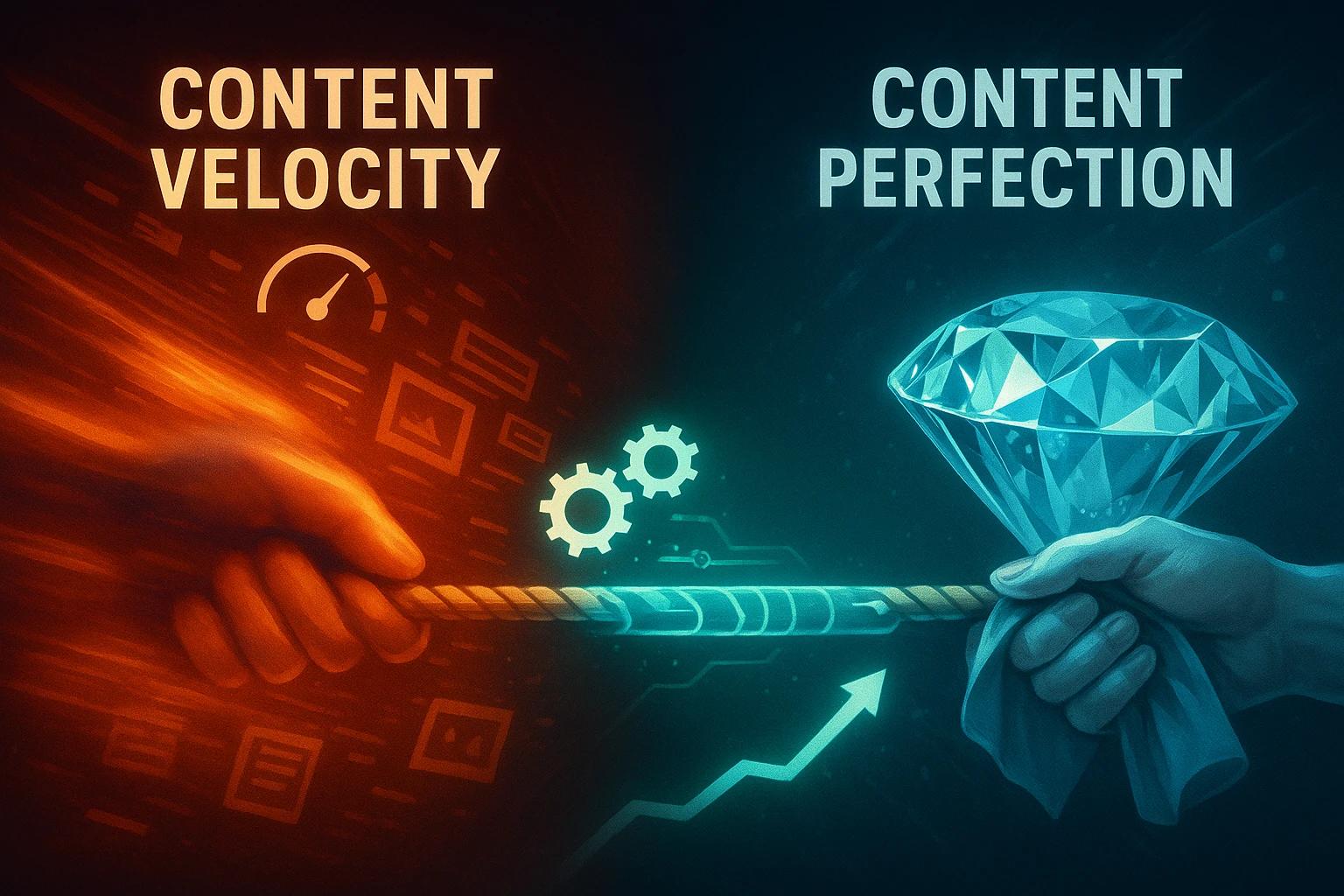
How Content Frequency Affects SEO Rankings and What to Prioritize
Explore how balancing content speed and quality impacts SEO and learn when to focus on velocity or perfection.
5 Signs Your Content Strategy is Losing Customers
Discover key signs your content strategy is stuck and quietly losing customers before it impacts your growth.
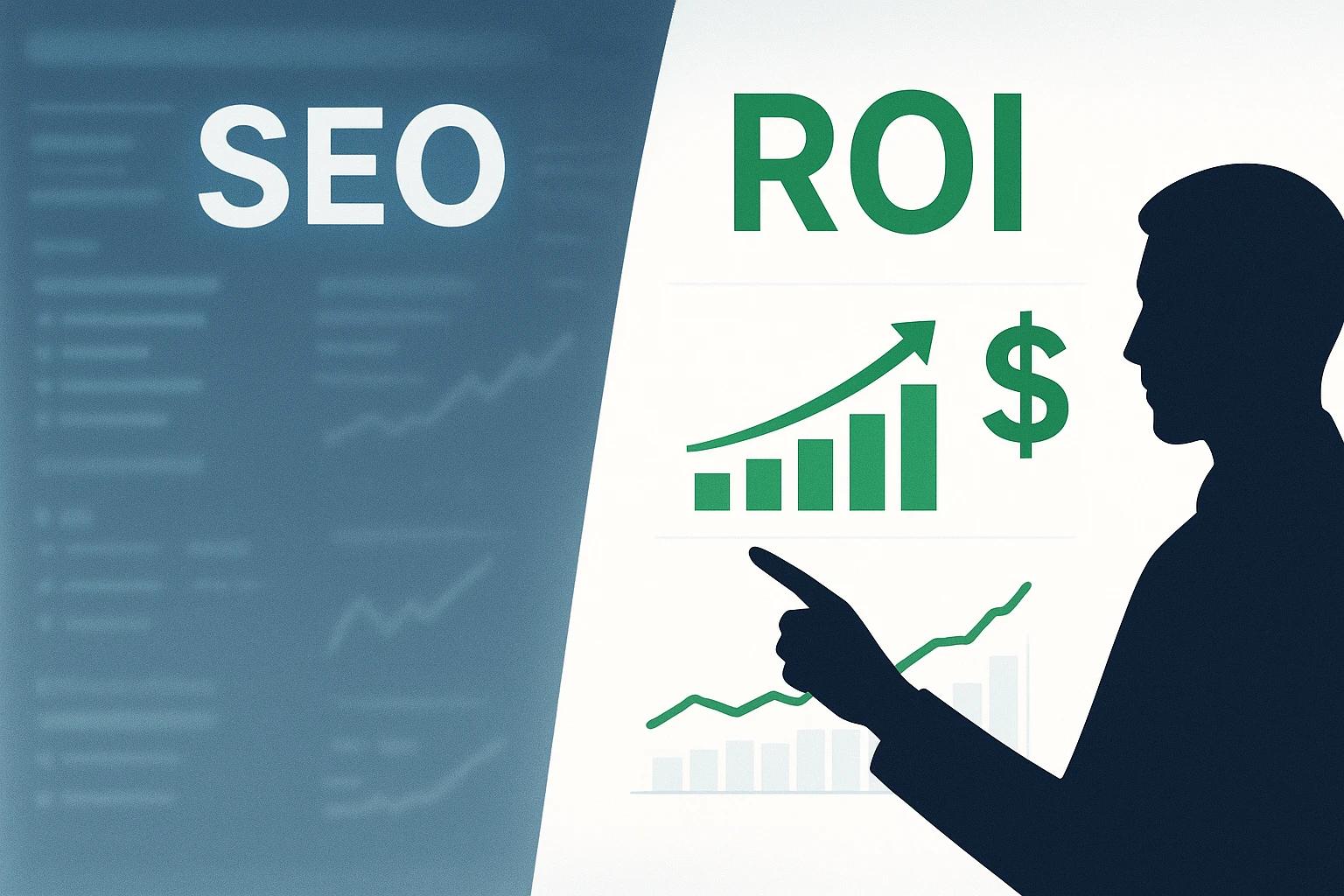
How to Measure SEO ROI with Business Metrics
Learn simple ways to measure SEO ROI focusing on leads, conversions, cost, and customer value beyond keywords and rankings.